




Latest Update: Nov 14, 2025, 3:48:01 PM

As we approach the end of 1404 and begin the planning season for new projects, the question every investor asks is: What will be the greenhouse construction cost in 1405, and what changes await this industry?
Iranian agriculture is passing through a historic turning point. Critical water shortages, severe climate changes, and the export market's demand for high-quality, uniform products have made traditional methods economically unjustifiable. The year 1405 is the year of smart greenhouses and modern structures. You can no longer expect massive profits with an ordinary structure and traditional management.
At Gol Afrooz, backed by the successful execution of over 95 hectares of projects annually across Iran and neighboring countries, we have compiled this comprehensive article to serve as a precise roadmap. In this guide, we will examine everything from the finest technical details of Spanish structures to the profit analysis of hydroponic greenhouses and accurate cost estimates. If you are looking to turn your capital into a productive and profitable asset, this article is written line-by-line just for you.
Factors Affecting Greenhouse Construction Cost in 1405
When discussing greenhouse construction costs, many people look for a single figure (e.g., X Tomans per meter). However, the reality is that building a greenhouse is like building a factory, and the final price depends on dozens of variables. In 1405, considering global metal price fluctuations and currency rates, cost estimation must be engineered carefully.
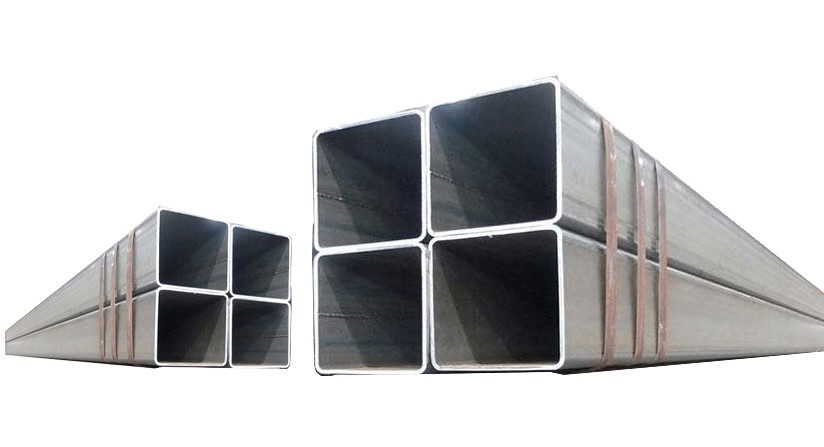
1. Skeleton and Structural Framework The largest share of the cost—about 40% to 50%—relates to the metal structure. The price of steel and galvanization services directly impacts the greenhouse construction cost.
-
Thickness and Weight: Using 80x80 columns or thicker profiles for windy regions increases the weight of the iron used.
-
Galvanization Quality: At Gol Afrooz, we use hot-dip galvanized pipes and profiles with high coating thickness, which remain resistant to the greenhouse's 100% humidity for up to 20 years. Cheaper structures usually use cold galvanization, which starts rusting after just 2 years.
2. Structure Height and Span The height of the structure has a direct relationship with price and, of course, productivity. Structures with greater height (e.g., 9 meters at the ridge) offer better ventilation and inflict less heat stress on the plants. This means reduced fuel costs and increased yield in the long run, even though it slightly increases the initial construction cost.
3. Covering Type Choosing between Polyethylene plastic (with UV, IR, EVA additives) or Polycarbonate sheets significantly affects the final price. Polycarbonate is more expensive but provides better insulation for colder regions.
Why Spanish and Gothic Structures? The Kings of Greenhouse Structures
In our service list and today's market, the names "Spanish Greenhouse Structure" and "Gothic Design" are heard frequently. But why have these types become so popular, and why does Gol Afrooz insist on implementing them?
Difference Between Iranian and Spanish Structures Iranian structures, or simple tunnel greenhouses, usually have lower height and limited resistance against wind and snow. However, the Spanish structure is an engineered design that features:
-
High Dynamic Resistance: Withstands winds up to 120 km/h and snow loads up to 90 kg per square meter.
-
Roof Ventilation: Equipped with "Butterfly" or rail vents that open about 20% of the roof, creating excellent natural ventilation.
-
Equipment Load Capacity: These skeletons are designed to support a significant weight of the hanging crops (trellising).
The Advantage of the Gothic Structure The Gothic greenhouse structure, with its pointed arch, is an engineering masterpiece for humid climates. In ordinary curved structures, condensation droplets from the roof drip onto the plants, causing fungal diseases. However, in the Gothic structure, droplets are guided towards the walls (gutters). This simple feature reduces your pesticide costs by up to 30%. All Gol Afrooz structures are bolt-and-nut (portable). We do not perform any welding at the project site. Welding destroys the galvanized coating and initiates rusting.
Comparison: Hydroponic vs. Soil Greenhouse
One of your strategic decisions in 1405 is choosing the cultivation medium. Let’s speak frankly: Is a hydroponic greenhouse worth the extra cost?
Economic Analysis of Hydroponic Cultivation In hydroponic cultivation, plant roots are placed in substrates like Cocopeat and Perlite instead of soil, receiving nutrients exactly as needed.
-
Initial Cost: The cost of building a hydroponic greenhouse is about 20% to 30% higher than a soil-based one (due to the need for injection systems, grow bags, gutters, etc.).
-
Productivity: Harvest in this method is completely predictable and several times higher than soil cultivation.
-
Water Consumption: Up to 50% saving in water usage, which is vital for Iran.
Real Example: Cucumber Hydroponic Greenhouse Suppose you intend to set up a cucumber greenhouse.
-
In Soil Cultivation: In the best-case scenario, you might harvest 15 to 20 kg per square meter while battling soil-borne diseases (like Nematodes).
-
In Hydroponic Cultivation: With correct management, you can reach records above 35 to 40 kg per square meter. The quality of all cucumbers will be super-luxury and export-grade.
Therefore, if your goal is export and sustainable income, a hydroponic greenhouse is the only logical option on the table in 1405.
 Complete Guide to Tomato Greenhouse Construction: Soil vs. Hydroponic
 How to Build a Cucumber Greenhouse
 How to Build a Home Greenhouse from A to Z
 Cost of Building a 1,000 sqm Hydroponic Greenhouse
 Galvanized can profile 10
 Axial Fan Evaporative Cooler
 Furnace Heater
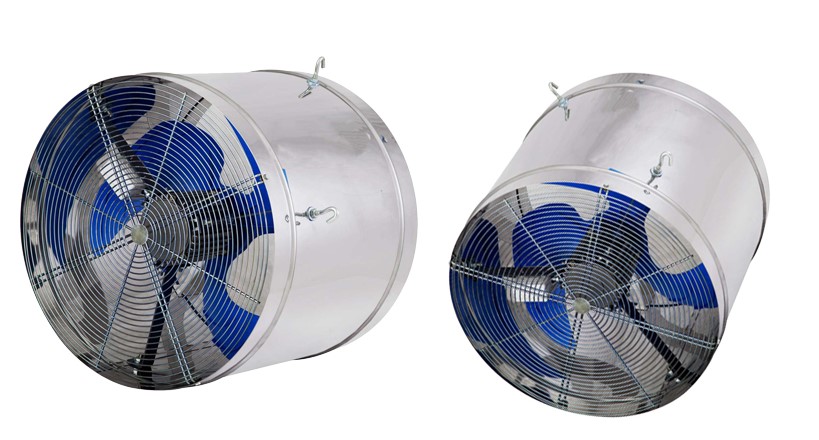 Type 4 Circulation Fan
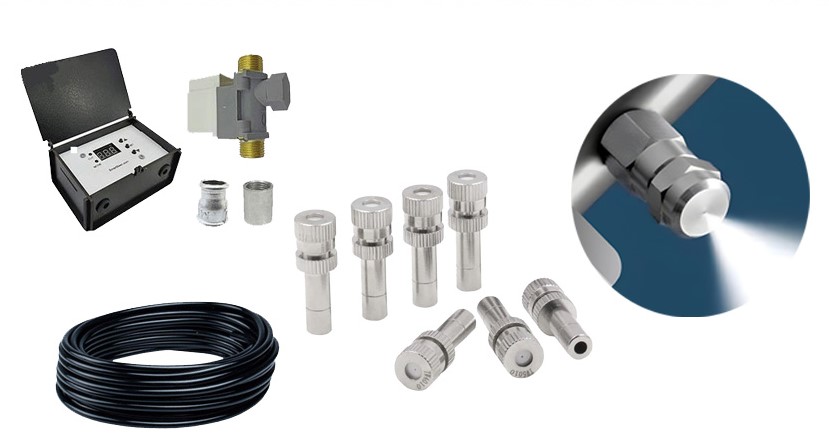 Greenhouse Mist Sprayer