




Latest Update: Feb 3, 2026, 4:35:31 PM
How to Build a Home Greenhouse from A to Z
Imagine in the dead of winter, just when snow is sitting behind the window, you are busy picking fresh basil or red strawberries from your own personal garden. This image is not a dream; it is a reality that can be achieved by knowing engineering and technical principles. Many plant enthusiasts think that having a professional growing space requires huge budgets or hectares of land, but the truth is different. If we know exactly how to build a home greenhouse and what materials to use, we can create a dynamic ecosystem in the yard, on the roof, or even on the terrace.
In this comprehensive article from the Gol Afrooz website, we won't waste your time with common generalities. Our goal is to provide a practical, technical, and tested roadmap to transform you from a simple enthusiast into a professional home producer. Whether your goal is growing organic vegetables or keeping rare ornamental plants, the structural engineering principles remain the same. So, if you are ready to pick up a wrench and build your own green space, stay with us.
Strategic Material Selection: What Should We Build the Frame From?
When discussing how to build a home greenhouse, selecting the frame material is your most important technical decision. The greenhouse frame acts like the body's skeleton; it must be strong, lightweight, and moisture-resistant all at once. In the market, three main types of materials are suggested for building the frame, each with its own specific features. Below, we provide a specialized review of these materials so you can choose the best option based on your budget and needs:
1. Galvanized Steel Frame (Gol Afrooz Specialist Recommendation) Undoubtedly, Galvanized Steel profiles are the kings of greenhouse structures. These profiles are completely resistant to rust caused by high greenhouse humidity due to their Zinc coating. The high strength of the metal allows you to use thinner columns, which cast less shadow on the plants. If you are looking for a structure that lasts for decades and resists wind and snow, galvanized steel is your only professional choice.
2. Wooden Frame Wood gives a natural and warm feeling to the space and is very attractive for decorative greenhouses. But the key point is that wood is vulnerable to constant moisture. If you insist on using wood, you must use processed wood (Thermowood) or wood saturated with waterproofing agents. Maintaining wood is harder and requires refinishing the protective coating every few years.
3. PVC Pipes (Compressed Plastic) For those asking how to build a home greenhouse with the lowest cost, PVC pipes are the answer. These pipes are cheap, light, and flexible, making them suitable for building small tunnel greenhouses (Quonset style). However, bear in mind that PVC has low resistance to strong winds and may become brittle over the long term due to UV radiation.
Step 3: Greenhouse Covering; Transparent Clothing for Protection
After erecting the frame, it's time for the Covering (Glazing). The greenhouse cover must perform two contradictory tasks simultaneously: maximum light transmission and preventing heat loss. How we build a home greenhouse that is both insulated and bright depends directly on the covering selection.
-
Polycarbonate: These double-walled or multi-walled sheets are considered the best thermal insulators. They are unbreakable, diffuse light (which prevents plant burn), and have a long lifespan. Gol Afrooz experts recommend Polycarbonate for most home and industrial projects due to the excellent balance between price and quality.
-
Glass: The most transparent option available, offering stunning beauty. However, glass is heavy, requires a very strong frame, and is vulnerable to impact. Also, glass is a poor thermal insulator and wastes greenhouse heat quickly during cold nights.
-
UV Plastic (Polyethylene): The cheapest option to start the job. But be careful; ordinary plastics rot quickly in the sun. Be sure to use plastics with appropriate percentages of Anti-UV additives.
 Aeroponic Saffron Cultivation: Costs, Profit, Benefits & Greenhouse Setup
 How to Control Greenhouse Pests Without Chemical Pesticides
 Complete Guide to Tomato Greenhouse Construction: Soil vs. Hydroponic
 How to Build a Cucumber Greenhouse
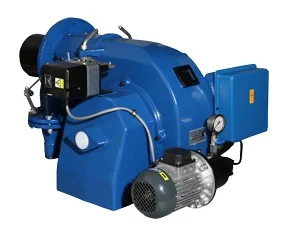 Dual-Fuel Burner 1 to 3
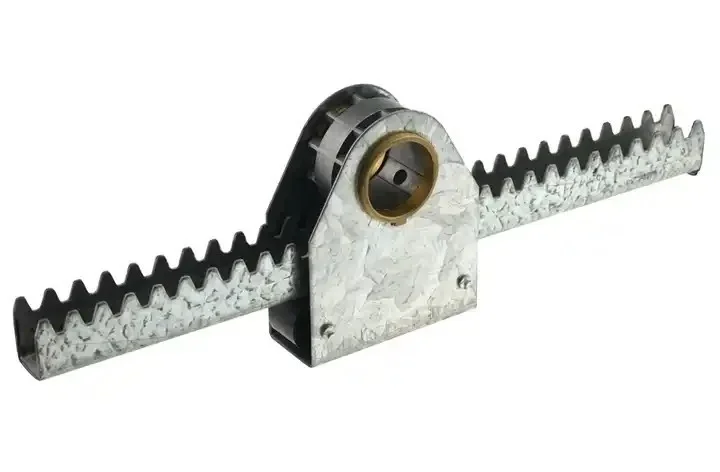 Spanish Brass Rack and Gear with Greenhouse Clamp
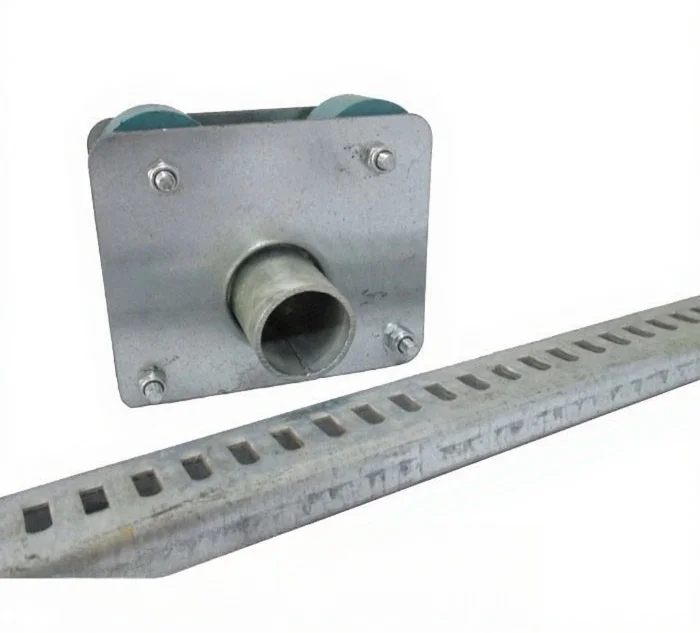 Iranian Galvanized Rack and Gear with Greenhouse Clamp
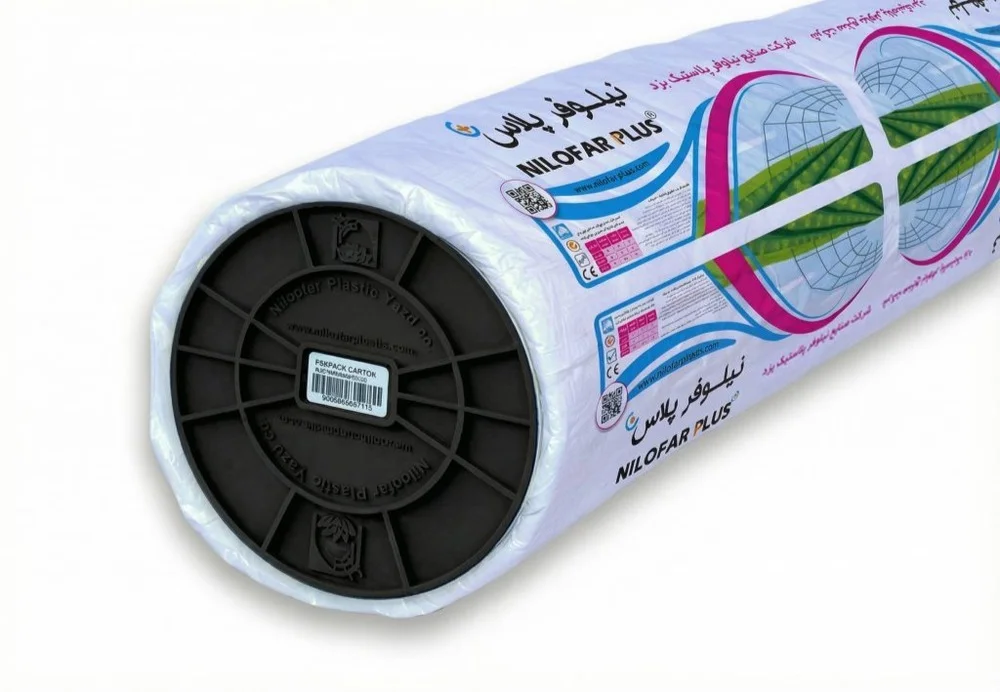 10×50 m Greenhouse Plastic Film with 10% UV
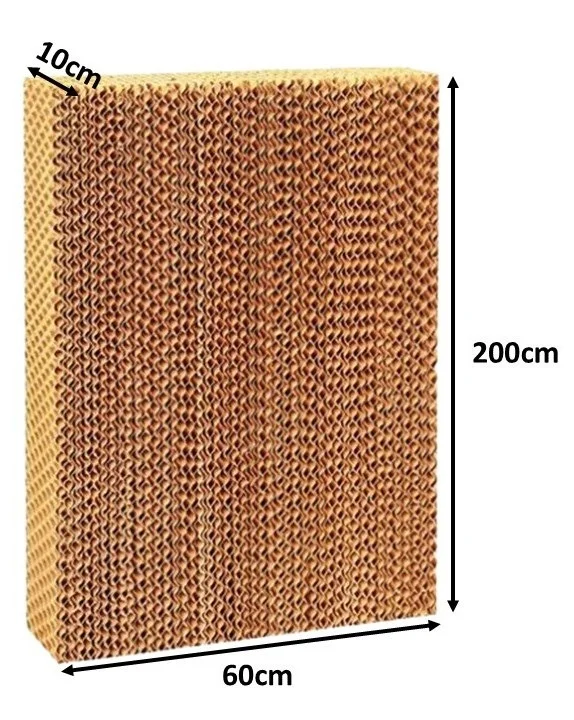 10×60×200 cm Cellulose Cooling Pad Block