



Latest Update: Dec 26, 2025, 8:26:01 PM
Introduction
Imagine you have purchased the finest seeds in the world, implemented the most modern irrigation system, and your cultivation bed is rich with the highest quality nutrients. However, all these investments can be destroyed in less than a few hours by a single wrong choice in greenhouse covering. The covering—or the greenhouse nylon—acts as the protective skin of your structure. If it lacks the necessary quality, it leaves your investment defenseless against ruthless solar radiation, heavy snow, or strong winds. Contrary to the popular belief that the cover is just a simple piece of plastic, selecting this material correctly is one of the most technical stages in the greenhouse construction process.
At Gol Afrooz, where we have the experience of constructing over 95 hectares of modern greenhouses annually in Iran and neighboring countries, we have frequently seen farmers suffer heavy losses due to a lack of awareness regarding additives and UV percentages. Our goal in this comprehensive article is to clear the path for you when buying UV greenhouse nylon, so you know exactly which product is compatible with your regional climate and cultivation type.
Why Choosing Greenhouse Nylon is More Important Than Choosing Seeds
When discussing the establishment of an agricultural production unit, the first thing that occupies an investor's mind is the type of product or the cultivation system. However, the truth is that managing the indoor climate—which includes light, temperature, and humidity—is entirely dependent on the quality of the roof and wall coverings. Greenhouse nylon is essentially a filter that determines how much solar energy enters and how much of the generated heat remains inside the structure during cold winter nights.
If you use an advanced Spanish or Gothic structure built with the best hot-dip galvanized alloys and bolt-and-nut connections, but the covering is not standard, you have effectively wasted the structure's potential. Field research has shown that using low-quality plastics can reduce a plant's photosynthesis efficiency by up to 30%. Therefore, precision in choosing greenhouse plastic is not an additional cost but a direct investment in the final product's tonnage. At Gol Afrooz, we always advise our clients not to sacrifice covering quality for a lower price, as the cost of replacing the nylon and the damage to the crop will be far greater than the initial price difference.
What Does "UV" Mean in Greenhouse Plastic?
You might have experienced a situation where, while inquiring about the greenhouse nylon price, the seller asks: "What UV percentage do you want?" and you imagine that this percentage refers to the thickness or the shading level of the plastic. Let us correct this misconception right here. The UV percentage actually represents the amount of UV Stabilizer added to the polymer raw materials to help the nylon itself resist degradation caused by the sun's ultraviolet radiation.
In simpler terms, plastics are inherently weak against sunlight. If this additive is not included, they become brittle, crack, and collapse within a few months. So, when we talk about buying 10% UV greenhouse nylon, we don't mean that this nylon blocks 10% of the light; rather, it means that the cover has the ability to resist intense sunlight and maintain its physical structure for a specific period (e.g., 3 or 5 years).
In our country, where solar radiation intensity is high in most regions, using wide greenhouse nylon without UV or with a low percentage is practically throwing money away. Interestingly, this additive has no effect on the color of the nylon, and detecting its amount is only possible through precise laboratory equipment. This is why purchasing from reputable brands and recognized companies like Gol Afrooz, which guarantees product authenticity, is vital.
3%, 5%, or 10% UV Nylon: Which is Best for Your Greenhouse?
One of the main challenges for buyers when reviewing the greenhouse equipment price list is facing different UV percentages. The choice between 3%, 5%, or 10% nylon depends entirely on your regional climate and your timing budget. Let's examine this from a technical perspective. Typically, the international standards most used in Iran are as follows:
-
3% UV Greenhouse Nylon: This type of covering is usually used for seasonal greenhouses, temporary nurseries, or regions with very low radiation intensity (which are rare in Iran). The useful life of these nylons is usually about one to two growing seasons.
-
5% UV Greenhouse Nylon: This is the best-selling type of greenhouse nylon in Iran. This amount of stabilizer usually provides a durability guarantee of 2.5 to 3 years in the central and temperate regions of Iran. For most vegetable cultivation greenhouses, such as cucumbers and tomatoes, this option provides a good balance between cost and lifespan.
-
10% UV Greenhouse Nylon: If you intend to build a greenhouse in the southern regions of the country, such as Bandar Abbas, Jiroft, or Bushehr, where the sun is scorching, or if you want peace of mind regarding the covering for up to 5 years, 10% UV nylon is the best option.
 Aeroponic Saffron Cultivation: Costs, Profit, Benefits & Greenhouse Setup
 How to Control Greenhouse Pests Without Chemical Pesticides
 Complete Guide to Tomato Greenhouse Construction: Soil vs. Hydroponic
 How to Build a Cucumber Greenhouse
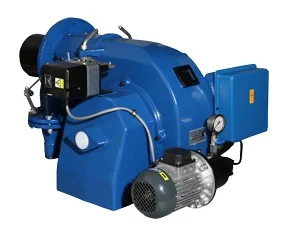 Dual-Fuel Burner 1 to 3
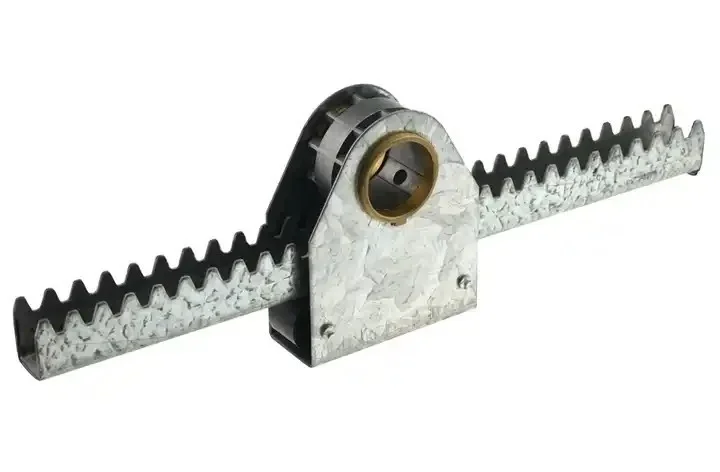 Spanish Brass Rack and Gear with Greenhouse Clamp
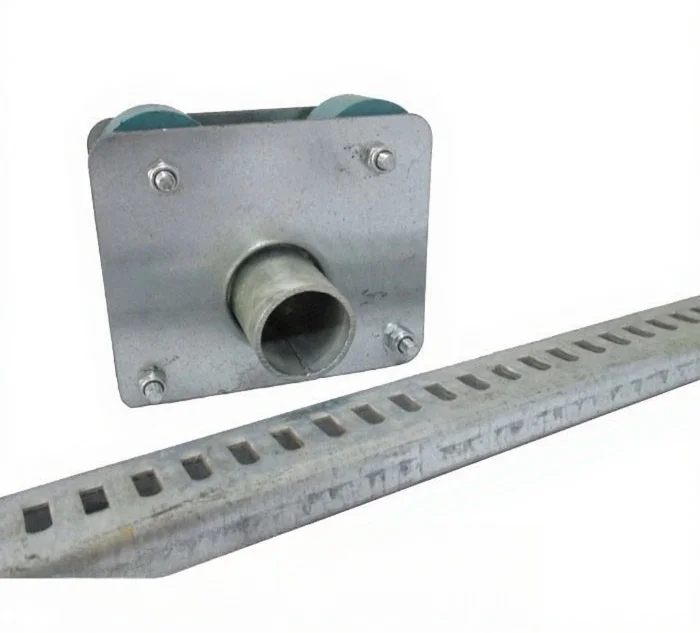 Iranian Galvanized Rack and Gear with Greenhouse Clamp
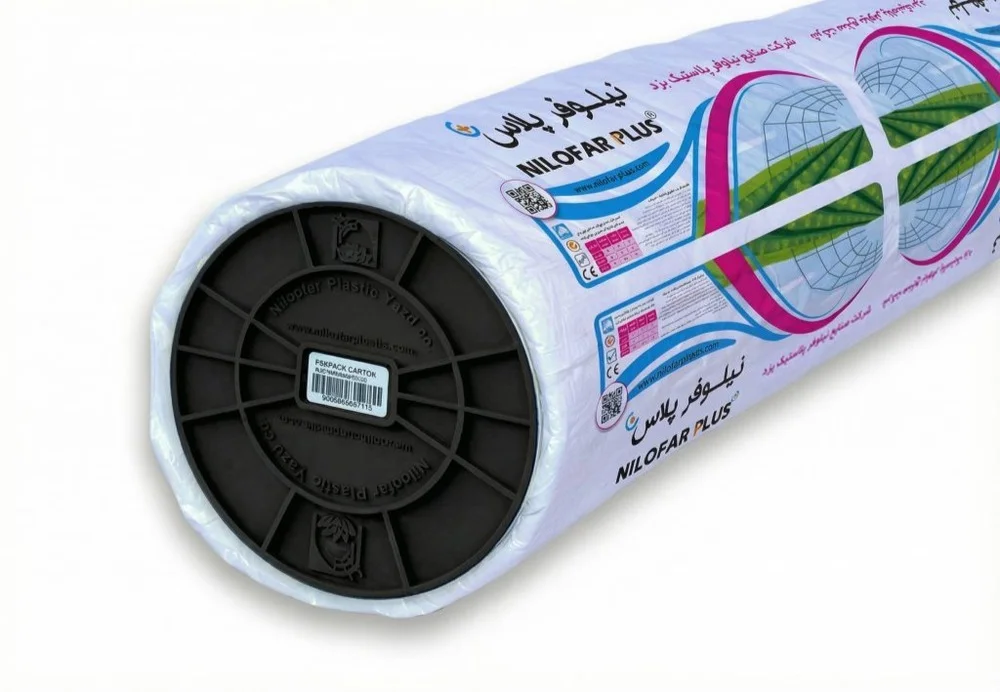 10×50 m Greenhouse Plastic Film with 10% UV
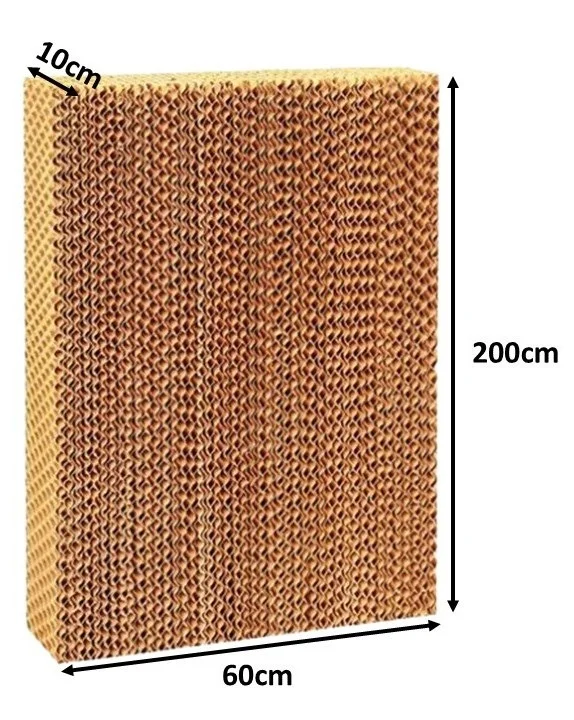 10×60×200 cm Cellulose Cooling Pad Block