




Latest Update: Feb 17, 2026, 9:36:14 AM
The Ultimate Guide to Tomato Greenhouse Construction
Entering the world of controlled environment agriculture (CEA) is more like managing an advanced manufacturing plant where the production line is lush bushes and the final product is "Red Gold," or tomatoes. If you have decided to direct your valuable capital toward tomato greenhouse construction, the first question occupying your mind is likely: Is this economically viable, and what infrastructure is needed to start?
Contrary to popular belief that a greenhouse can be built with just a few pipes and plastic, constructing a successful production unit requires precise structural engineering, climate knowledge, and selecting equipment that won't buckle under the weight of hundreds of tons of produce and atmospheric pressure. In this Gol Afrooz blog article, we provide a complete guide to building a tomato greenhouse.
Why Is Investing in a Tomato Greenhouse Recommended?
It might interest you to know that the tomato is one of the most consumed vegetables globally, and its market never faces recession. The permanent demand of the domestic market and, more importantly, the thirst of neighboring export markets (like Russia, Qatar, UAE, and Iraq) has made tomato greenhouse construction one of the most attractive investment options with a fast Return on Investment (ROI).
But where is the real profit? The difference lies in yield per unit area. In open-field cultivation, you might harvest 50 to 70 tons per hectare in the best-case scenario; but in a modern hydroponic greenhouse with standard equipment, this number can reach 300 to 400 tons per hectare, and even higher with excellent management. According to international agricultural reports, greenhouse cultivation can increase water efficiency by up to 10 times, which is a vital advantage in our water-scarce country.
Therefore, when we talk about tomato greenhouse profit, we are actually talking about technology management. If your structure is standard and you can control climatic conditions in cold seasons when product prices peak, profitability is guaranteed. But don't forget; good profit is achieved only if the house for your tomatoes is built correctly.
Prerequisites for Tomato Greenhouse Construction & Structure Type
The tomato is a plant with Indeterminate Growth, meaning the bushes grow constantly and climb upwards. In professional and export cultivation, plant height sometimes reaches 4 to 5 meters, and these bushes must be hung from the greenhouse ceiling with special twines (Trellising method). Imagine the weight of thousands of bushes, each bearing several kilos of fruit, applied to the greenhouse skeleton. Can just any structure withstand this massive load?
For this reason, at Gol Afrooz, for tomato cultivation, we strongly recommend using a Spanish Structure or Gothic Arch with high height (at least 5 to 6 meters ridge height and 4-meter columns). These structures have several vital features:
-
Temperature Buffering Capacity: A larger volume of air in tall structures causes sudden temperature changes (thermal shock) to damage the plant less.
-
Natural Ventilation: Hot air rises and exits through roof vents (Butterfly or Pigeon designs).
-
High Resistance: Our engineered structures are designed based on Engineering Organization regulations to withstand winds up to 120 km/h and snow loads up to 90 kg/m².
In addition to height, the material is crucial. The tomato greenhouse environment is very humid. Our structures are entirely made of Hot-Dip Galvanized alloys, which have extraordinary resistance to rust. Rust not only shortens the structure's life but also becomes a breeding ground for fungi. Also, all connections in Gol Afrooz structures are Bolt & Nut (Portable), with no welding involved. Therefore, if you are looking to build a cheap greenhouse, be careful not to sacrifice quality for price, as cheap welded structures corrode very quickly.
Soil or Hydroponic for Tomato Greenhouses?
One of the most frequent questions asked in our consultation sessions is choosing between soil and hydroponic cultivation. The answer directly depends on your initial budget and final goal. Hydroponic greenhouse construction (soilless culture), although having a higher initial cost, gives you 100% control over plant nutrition.
-
Hydroponic Benefits: In this method, roots are placed in substrates like Cocopeat or Perlite. Nutrients are injected exactly according to the plant's needs. The result? Faster growth, more uniform fruits, and much higher tonnage. If your goal is export, the cost of building a hydroponic greenhouse is a smart investment.
-
Soil Benefits: If you have a limited budget or your land has very fertile soil, soil cultivation can be a suitable option. However, keep in mind that controlling soil-borne diseases (like Nematodes) is more difficult in this method.
Important Note: The structural framework is almost similar in both methods, but hydroponics requires more specific greenhouse equipment for irrigation and drainage. As a greenhouse construction contractor, we design the foundation so that even if you don't have the budget for hydroponics today, you can convert with minimal cost in the future. Many of our clients who built soil cucumber greenhouses later moved towards hydroponic tomato cultivation with our advice.
A crucial point to know about tomato greenhouses is that in hydroponic structures, Land Leveling and precise sloping (usually 1% to 1.5%) for drainage water return is extremely important. Mistakes in sloping can cause water accumulation, root suffocation, and fungal disease outbreaks.
3 Common Mistakes That Kill Tomato Cultivation
Over years of activity at Gol Afrooz, we have often seen greenhouse owners face problems after spending heavy costs, solely due to unprincipled design. Knowing these 3 technical points, which are rarely mentioned elsewhere, will save you from billion-Toman losses:
1. Ignoring the Antechamber (Buffer Zone) Tomatoes are a magnet for pests, especially a pest called Tuta Absoluta (Tomato Leafminer), which is very dangerous. Many builders open the entrance door directly into the cultivation hall to reduce costs. However, in Gol Afrooz design standards, installing an Antechamber (Entry Filter) with positive pressure fans is mandatory to prevent insects from entering the clean greenhouse zone.
2. Blossom End Rot and Its Link to Structure Did you know the common condition of Blossom End Rot (blackening of the tomato bottom) is often not just due to calcium deficiency, but due to lack of proper air circulation? When humidity is trapped among dense bushes, plant transpiration is disrupted, and calcium doesn't reach the fruit. Our Gothic structures, with roof vent designs and precise placement of Circulation Fans, guide airflow to minimize this problem.
3. Improper Height for Export Seeds Export tomato seeds are often of the Indeterminate type. If your greenhouse column height is short (e.g., 3 meters), you effectively cannot use these high-profit seeds and will be forced to grow ordinary varieties. Foresight means having a tall structure that leaves your hands free to choose any type of seed.
 Aeroponic Saffron Cultivation: Costs, Profit, Benefits & Greenhouse Setup
 How to Control Greenhouse Pests Without Chemical Pesticides
 How to Build a Cucumber Greenhouse
 How to Build a Home Greenhouse from A to Z
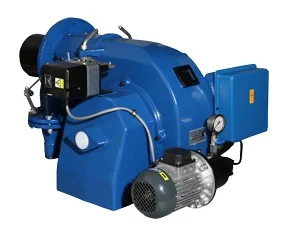 Dual-Fuel Burner 1 to 3
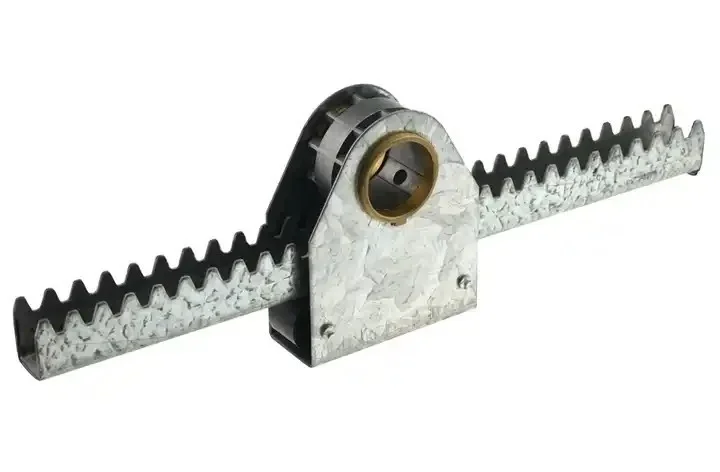 Spanish Brass Rack and Gear with Greenhouse Clamp
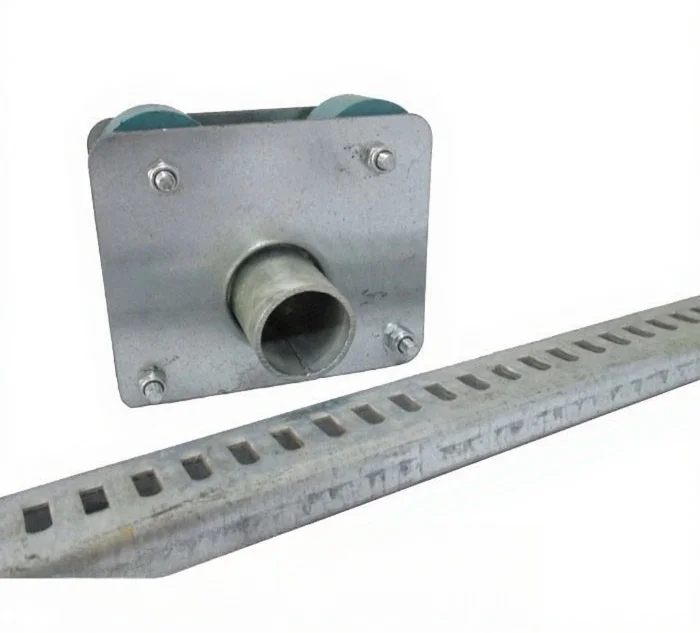 Iranian Galvanized Rack and Gear with Greenhouse Clamp
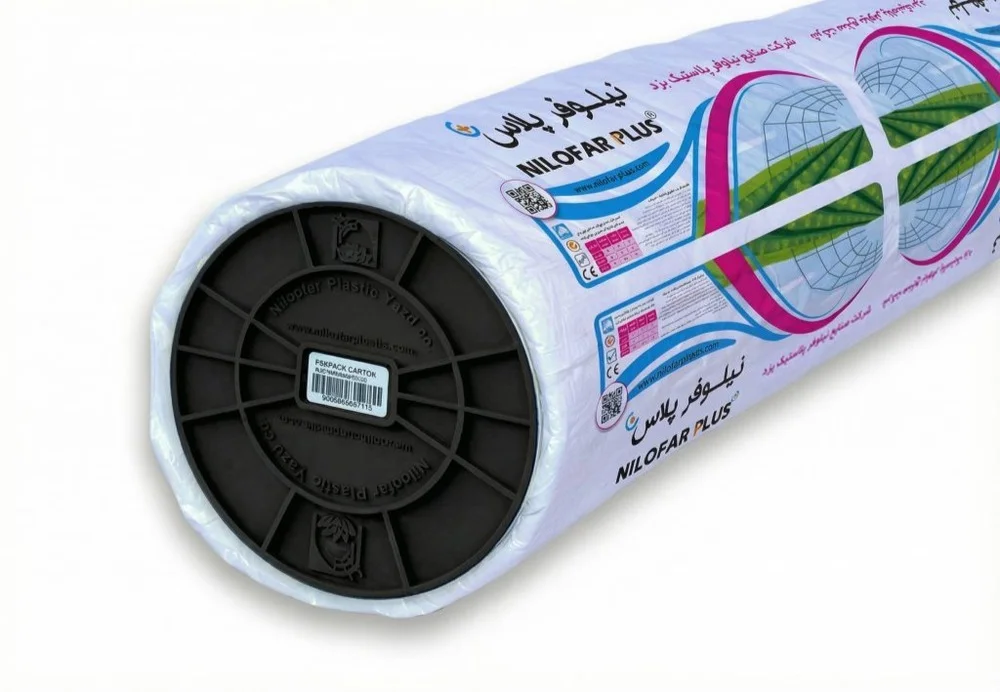 10×50 m Greenhouse Plastic Film with 10% UV
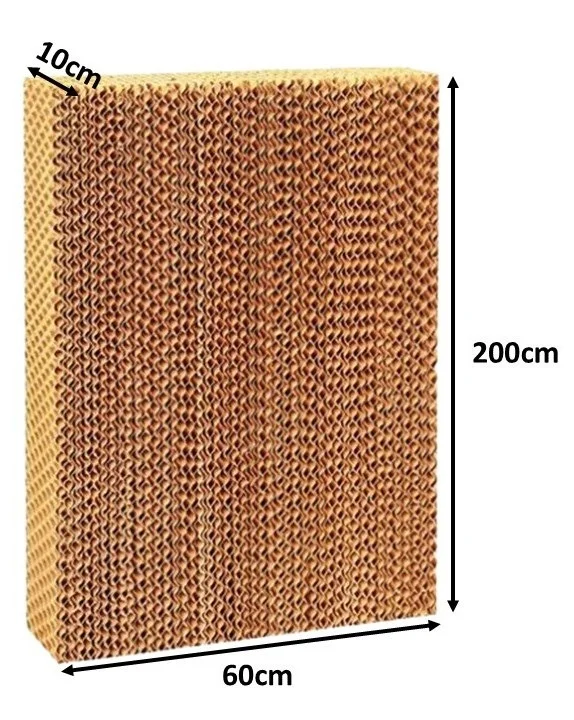 10×60×200 cm Cellulose Cooling Pad Block