




Latest Update: Feb 16, 2026, 12:58:12 PM

Zero to Hundred Guide: How to Build a Cucumber Greenhouse
Did you know that cucumbers are one of the most consumed vegetables in the diet of Iranian households and neighboring countries? The permanent and ceaseless market demand for this product has made cucumber cultivation one of the most attractive options for investment in the agricultural sector. However, entering this field without technical knowledge and engineering infrastructure is like driving in heavy fog without lights.
Success in this path is not limited to buying seeds and land; choosing a reputable greenhouse construction company, the type of structure, and equipment determines the difference between billion-Toman profits and heavy losses. In this article from the Gol Afrooz blog, we intend to examine all stages of building a cucumber greenhouse with an engineering perspective.
Why is a Cucumber Greenhouse the Best Choice for Investment?
You might wonder why, among the variety of greenhouse products, we should choose cucumbers. The answer lies in the Return on Investment (ROI) speed. Greenhouse cucumber is one of the fastest-growing vegetable crops; unlike many other products, the interval between planting and the first harvest is very short (usually between 40 to 50 days). This golden feature allows the farmer to recover liquidity in the shortest possible time.
Moreover, the possibility of cultivation in multiple cycles throughout the year (spring and autumn cultivation) ensures your income stream is not interrupted. Since we at Gol Afrooz manage over 95 hectares of successful projects annually in Iran and abroad, experience has shown that prickly and ordinary cucumber varieties have very high export potential to Russia, Iraq, and Persian Gulf countries. Therefore, if building a cheap but principled and engineered greenhouse is your goal, cucumbers can be an excellent start. Of course, "cheap" in Gol Afrooz's dictionary does not mean using low-quality materials, but rather correct resource management and optimal design.
Types of Cucumber Cultivation Methods: Soil or Hydroponic?
Choosing the cultivation medium is the first major crossroads an investor faces. Each of these methods has its own pros and cons that directly affect the greenhouse construction cost and yield.
1. Soil Cultivation: An Option for Starting with a Limited Budget
In the traditional or soil method, the plant root is placed directly in the ground soil. This method has a lower initial cost because it doesn't require complex fertilizer injection systems and artificial substrates. However, major challenges like soil-borne fungal diseases (such as Fusarium and Nematodes) are always lurking. If your land has fertile soil and you have allocated a limited budget for greenhouse construction, this method can be a suitable option, but expect more precise pest management.
2. Hydroponic Greenhouse Construction: Higher Cost, Multiplied Harvest
If you are looking for modern agriculture and maximum productivity, a Hydroponic Greenhouse (Soilless Culture) is our suggestion. In this method, cucumbers are grown in substrates like Cocopeat or Perlite, and nutrients reach the roots via water.
According to FAO reports, hydroponic cultivation can reduce water consumption by up to 90% while dramatically increasing yield per unit area. Although the hydroponic greenhouse construction cost is higher due to the need for more precise equipment, the harvest tonnage in this method can reach up to 2 times that of soil cultivation. At Gol Afrooz, with precise design of feeding and irrigation systems, we help you experience hydroponic greenhouse construction with modern European standards.
In Gol Afrooz designs, we partition the greenhouse space so you can have the most optimal density. Usually, the golden standard for cucumbers is 2.5 to 3 plants per square meter. Row spacing should be at least 1.5 meters so that sufficient light reaches all leaves and workers have no problem harvesting and pruning.
Choosing the Best Structure for a Cucumber Greenhouse
Many people imagine that any structure with a plastic cover is called a greenhouse; but this is an investor's biggest mistake. Cucumber is a climbing plant, and its bushes gain significant weight after growth. This load is directly transferred to the trellising system and the greenhouse skeleton. If your greenhouse structure does not have sufficient strength, it will suffer deformity or even collapse under strong winds or crop weight.
1. Spanish and Gothic Structure: Gol Afrooz’s Golden Standard
For building a cucumber greenhouse, we strongly recommend using a Spanish Structure or Gothic Design. These structures, due to having tall arches (high ridge height), provide much better air ventilation. Proper ventilation means reduced humidity and consequently reduced fungal diseases, which are the number one enemy of cucumbers. The features of Gol Afrooz manufactured structures include:
-
Fully Hot-Dip Galvanized: Using resistant alloys that never rust in the humid greenhouse environment and have a long life.
-
Bolt & Nut Connections (Portable): Complete elimination of welding ensures the galvanized coating is not damaged, and the structure has the capability of relocation or expansion.
-
High Resistance: Designed based on the region's topography, wind speed, and snow load (according to Agricultural Engineering Organization standards).
Why Should We Avoid Non-Standard Structures?
Some people go for water pipes or ordinary industrial profiles to reduce costs. This might look attractive in the initial price list, but you will pay the price of a low-quality greenhouse structure in the long run with heavy maintenance costs and crop loss. As a professional greenhouse builder, we advise not sacrificing skeleton quality for cheapness.
Important Equipment for Success in Cucumber Cultivation
After erecting the skeleton, it's time for equipment that controls the indoor climate conditions. Cucumber is a plant sensitive to temperature stress, and severe temperature fluctuations cause fruit deformity (crookedness) and flower drop.
1. Heating and Cooling Equipment
For building a cucumber greenhouse in cold regions, a heating system (Hot Air Furnace Heaters or Boilers) is vital. The temperature at night should not drop below 18°C. On the other hand, in hot seasons, using a Pad & Fan system (Evaporative Cooling) is essential to reduce temperature and supply humidity. As a supplier and executor, Gol Afrooz optimizes the greenhouse equipment price list according to your region's climate to prevent purchasing surplus or inefficient equipment.
2. Shading and Automation Systems
Using Shading (shade nets) in summer to prevent leaf sunburn and Energy Saving Screens in winter are among modern greenhouse essentials. Also, irrigation automation plays a key role in hydroponic greenhouse construction so that the nutrient solution reaches the plant with precise EC and pH.
The Untold Secret to 20% Yield Increase: CO2 Injection
Few contractors might tell you, but cucumbers love Carbon Dioxide! In modern greenhouses, by installing CO2 injection systems and bringing its concentration to about 1000 ppm, photosynthesis can be stimulated, increasing yield by up to 20%. If you have enough budget, bring up this option in your initial consultation with us.
Specialized Crop Management: Seed Selection and Pruning
Success is not just in building the structure; selecting seeds and how to manage them is also very important and affects yield.
-
Smart Seed Selection: For cold seasons, be sure to use Single-Flower varieties (resistant to cold and low light). But for spring and summer cultivation, Multi-Flower varieties with explosive fruiting are recommended. Brands like Nagin or Vihan are among popular and market-tested varieties.
-
Magic of Pruning and Layering: Cucumbers have very rapid vegetative growth. If not pruned on time, the plant's energy is spent on making leaves, not producing cucumbers. In Gol Afrooz systems, structures are designed with height so you can use the Plant Layering technique; this means the main stem is preserved, and your cucumber bush can stay alive and bear fruit for up to 10 months.
 Aeroponic Saffron Cultivation: Costs, Profit, Benefits & Greenhouse Setup
 How to Control Greenhouse Pests Without Chemical Pesticides
 Complete Guide to Tomato Greenhouse Construction: Soil vs. Hydroponic
 How to Build a Home Greenhouse from A to Z
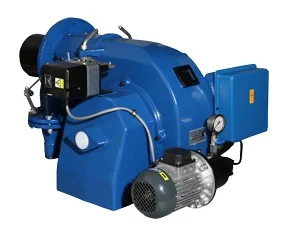 Dual-Fuel Burner 1 to 3
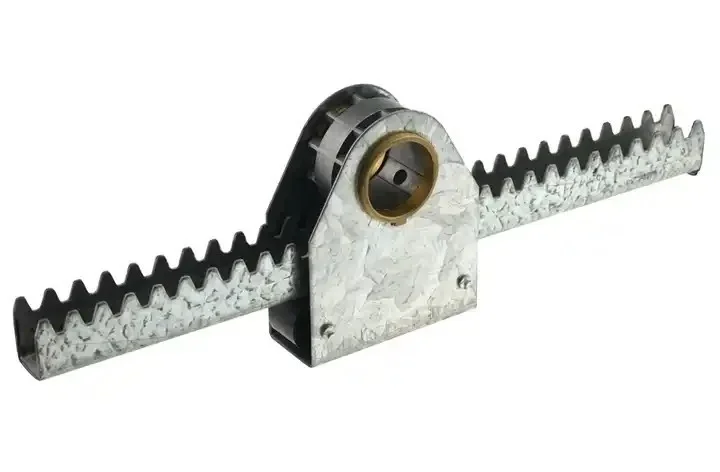 Spanish Brass Rack and Gear with Greenhouse Clamp
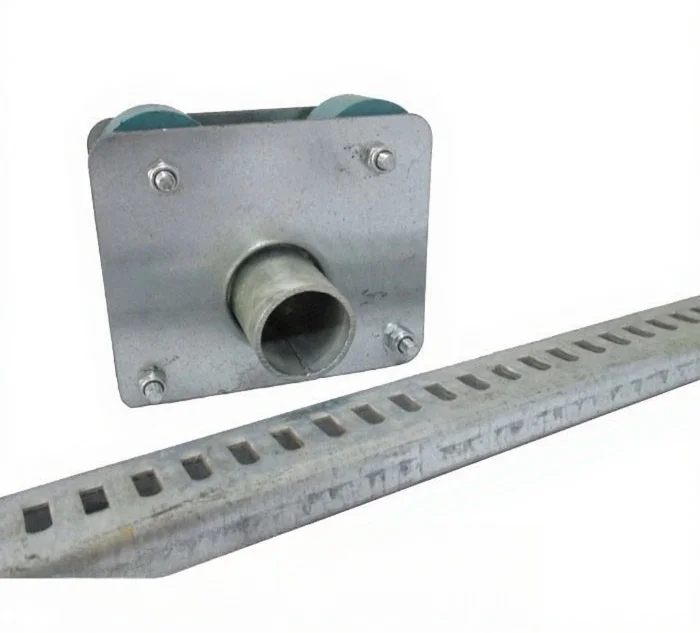 Iranian Galvanized Rack and Gear with Greenhouse Clamp
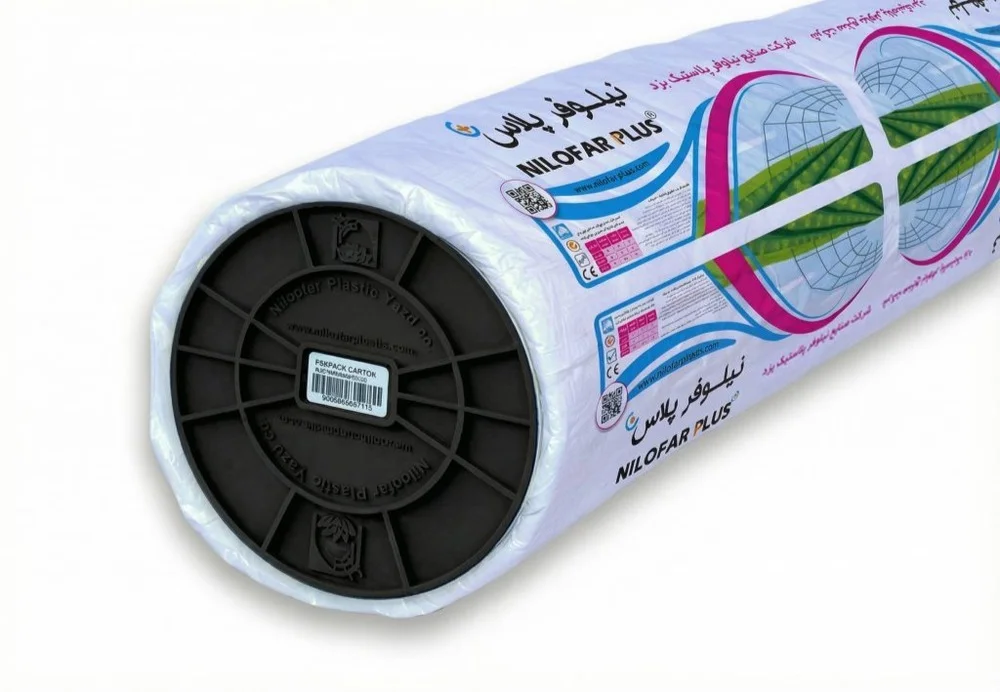 10×50 m Greenhouse Plastic Film with 10% UV
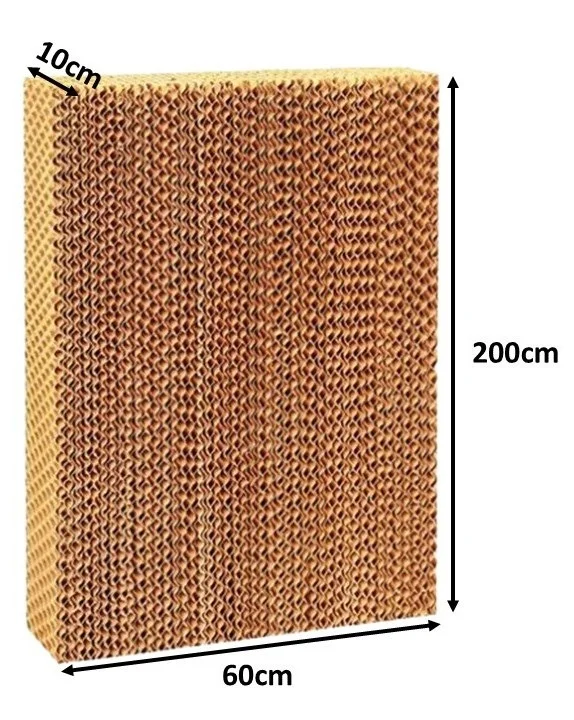 10×60×200 cm Cellulose Cooling Pad Block