




Latest Update: Jan 2, 2026, 10:09:06 PM

Introduction
Imagine investing a massive amount of capital into building a structure. In the beginning, everything looks shiny and sturdy. But after just a few years, a silent and ruthless enemy called "rust" begins to eat away at the foundation of your investment. This is the nightmare of many activists in the construction and agriculture industries. But is there a way to stop time and prevent decay? The answer lies in a clever chemical process that makes metal virtually invincible.
In today's engineering world, the Galvanized Profile is the hero that acts as a shield for your structure. If you intend to build a greenhouse, a warehouse, or any structure in a humid environment, a precise understanding of this material is the difference between a profitable investment and a heavy loss. In this specialized article from the Gol Afrouz website, we won't just answer "What is a galvanized profile?" but also explore its types, applications, and golden tips for identifying quality.
Defining Galvanized Profile in Simple Terms
To put it simply, a galvanized profile is a standard steel profile wearing bulletproof armor made of Zinc ($Zn$). Steel, by itself, surrenders to oxygen and moisture, eventually rusting. However, when coated with a layer of zinc, a fascinating defense mechanism takes shape.
In chemistry, this process is known as $Cathodic\ Protection$. In essence, the zinc layer sacrifices itself to keep the steel intact. Even if the surface of the profile is scratched, the zinc metal reacts before the steel does, preventing rust from penetrating deep into the structure. This feature has made galvanized profiles the backbone of industries struggling with high humidity and harsh weather conditions.
According to reports from the American Galvanizers Association (AGA), the corrosion rate of galvanized steel in many environments is 1/30th that of unprotected steel, resulting in a lifespan that can sometimes reach half a century.
Understanding the Difference: Cold vs. Hot-Dip Galvanization
When entering the iron market or discussing galvanized profile prices, you will frequently encounter the terms "Cold" and "Hot-Dip." Understanding the difference is vital, as the wrong choice can jeopardize your entire project. The difference isn't just in the name; it's in the thickness of their defensive shield.
1. Cold Galvanized Profile
In this method, a thin layer of zinc is deposited on the metal surface using an electric current (electrolysis). The appearance is very shiny and uniform, but the coating thickness is low—usually below $25\ \mu m$ (microns). These profiles are suitable for decorative purposes or dry environments. Using them in a humid environment like a greenhouse will quickly result in yellow spots and rust.
2. Hot-Dip Galvanized Profile (HDG)
This is the standard we emphasize at Gol Afrouz. In the hot-dip galvanization process, the steel component is submerged in a bath of molten zinc at a temperature of approximately $450^{\circ}C$. The result? A thick layer between 40 to 120 microns or more, creating an alloy that has fused with the steel.
Hot-dip galvanized profiles have a matte and slightly rougher appearance, but they offer unparalleled resistance to moisture, scratches, and impacts. In our large-scale projects—covering over 95 hectares per year—we exclusively use structures with this type of coating to ensure the client's peace of mind regarding durability. If you are looking for affordable greenhouse construction, be careful that "cheap" doesn't come at the cost of using cold galvanization, which could lead to structural failure within 3 years.
Types of Shapes and Applications in Industry
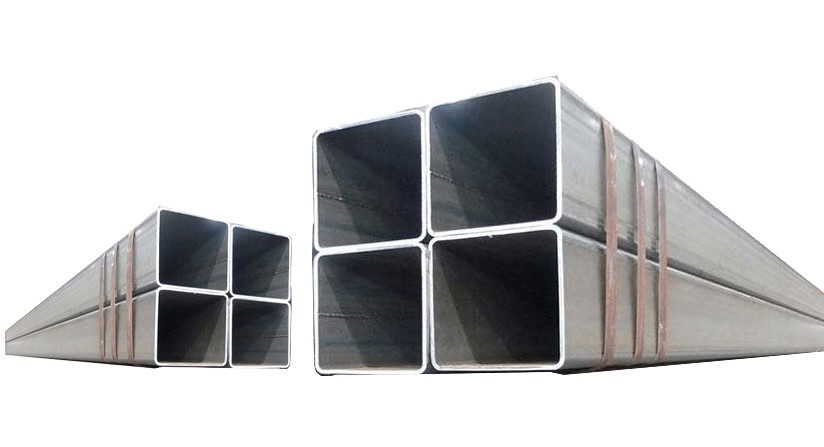
Profiles aren't just square tubes. Depending on the structural design, these products are manufactured in various shapes, each serving a specific purpose:
-
Open Profiles: Includes sections like U, Z, and C. Due to their specific shape, these profiles have high load-bearing capacity and are used in the roofs of large halls and main columns.
-
Closed Profiles: Square or rectangular sections used in building doors, windows, and secondary columns.
-
Pipe Profiles: In many traditional or tunnel greenhouse structures, galvanized pipes are used.
What matters is the selection of sheet thickness and the bending method. In Gol Afrouz's modern structures, all these profiles are designed as portable bolt-and-nut systems, allowing for assembly without the need for welding—which typically destroys the galvanized coating.
Why Professional Greenhouse Builders Only Use Galvanized Profiles
Building a greenhouse is one of the most challenging engineering projects because the environment is constantly humid and temperatures vary. In such conditions, using black or painted iron is like throwing money away. Saturated humidity, especially in hydroponic cultivation, can rot ordinary iron in less than two years. This is where the application of galvanized profiles becomes vital:
-
Environmental Hygiene: Iron rust causes oxidized scales to fall on plants, which are a source of fungal diseases. Galvanized profiles provide a sterile and clean environment.
-
Light Reflection: The bright, polished surface of these profiles better reflects sunlight, improving plant photosynthesis.
-
Portability: Since most modern structures (Spanish and Gothic) are built with galvanized profiles and bolt-and-nut connections, investors can dismantle the entire greenhouse and re-erect it elsewhere if necessary.
5 Benefits of Galvanized Profiles for Reducing Construction Costs
-
Extreme Longevity: Hot-dip galvanization can last 20 to 30 years or more in industrial and rural environments without damage.
-
Zero Maintenance Costs: Unlike painted structures that require sanding and repainting every 2 years, galvanized profiles require no additional cost after installation.
-
High Mechanical Resistance: The zinc coating has high hardness, resisting hammer blows and abrasion during transport and installation.
-
Easy Inspection: You don't need complex labs to verify quality; coating uniformity can be checked with the naked eye.
-
Climate Compatibility: Whether in the humid north or the hot and sultry south of Iran, these profiles are designed for all weather conditions.
A Guide to Identifying High-Quality Galvanized Profiles
At Gol Afrouz, as a direct manufacturer, we recommend checking these key points:
-
Surface Appearance: Hot-dip galvanization usually has "spangle" patterns or a matte gray surface. If it's overly mirror-like, it's likely cold galvanized.
-
Thickness Gauge Test: Always ask the seller to test the coating thickness with an Elcometer.
-
Check Edges and Corners: In low-quality profiles, the coating is usually weak at the edges, where rust starts first.
Pricing and Ordering
The price of these products is a function of several variables:
-
Global prices of Steel and Zinc ingots.
-
Thickness of the steel sheet and the galvanization layer.
-
Simple vs. custom profile design.
Since Gol Afrouz is a direct manufacturer and primary supplier, middlemen are eliminated, allowing you to obtain the highest quality materials at a competitive price.
 Complete Guide to Tomato Greenhouse Construction: Soil vs. Hydroponic
 How to Build a Cucumber Greenhouse
 How to Build a Home Greenhouse from A to Z
 Cost of Building a 1,000 sqm Hydroponic Greenhouse
 Galvanized can profile 10
 Axial Fan Evaporative Cooler
 Furnace Heater
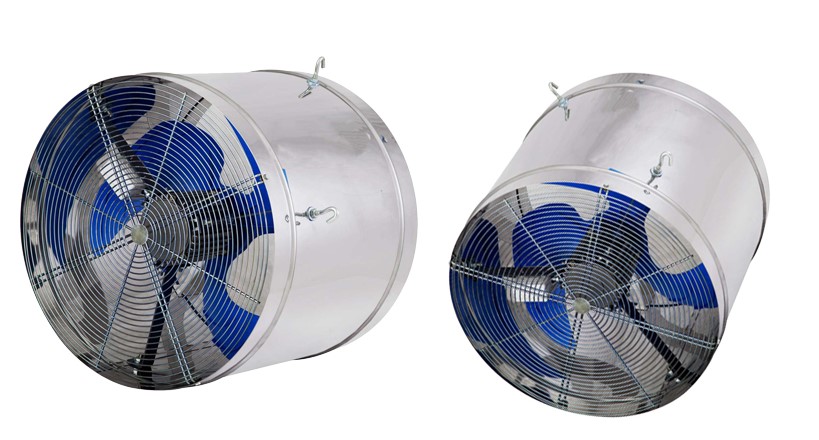 Type 4 Circulation Fan
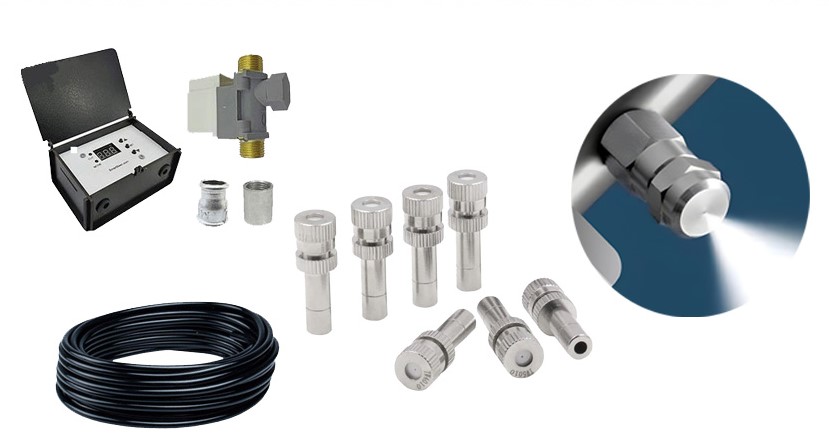 Greenhouse Mist Sprayer