




Latest Update: Nov 13, 2025, 1:37:17 PM

The role of greenhouses in ensuring food security is significant, especially against challenges such as population growth, reduction of accessible water resources, climate change, and loss of arable land.
Enhancing Productivity (Advantages)
-
Increased Productivity: Greenhouses allow for higher production per unit area. By controlling environmental conditions like light, temperature, humidity, and plant nutrition, crop yield increases.
-
All-Season Production: Greenhouses have the capability to produce crops regardless of external weather conditions, throughout the entire year. This ensures a stable supply of food products.
-
Application of New Technologies: Modern greenhouse methods, such as hydroponics, enable minimal water use and maximize crop production.
-
Reduced Waste: Producing crops in a controlled greenhouse environment can prevent product loss due to factors like adverse weather conditions, pests, and diseases.
-
Utilization of Marginal Lands: Greenhouses can be built on lands unsuitable for open-field agriculture, thereby transforming low-yield lands into productive ones.
-
Promotion of Local Consumption: Greenhouse cultivation allows products to be grown near population centers and consumption markets, which reduces the need for transportation, consequently lowering costs and product waste.
-
Improved Product Quality: Precise control over the greenhouse environment can lead to the production of high-quality and more uniform crops, which is crucial for market products such as vegetables and flowers.
-
Urban Agriculture: Greenhouses can be effectively utilized in urban and limited spaces, helping to reduce the distance between the production site and the consumer.
-
Reduced Resource Use: By utilizing resources more efficiently, greenhouses can reduce the need for fertile soil, water, and chemicals compared to traditional agriculture.
Given these aspects, greenhouses are an essential and growing part of global strategies for achieving food security, especially in regions where resources are scarce or weather conditions are challenging.
Benefits of Greenhouses in Food Security
Greenhouses have a high capacity to ensure food security, which is related to their various benefits:
-
Optimal and Predictable Production: Controlling environmental conditions like temperature, light, and humidity allows for continuous and uniform production, making outputs predictable and independent of external weather conditions.
-
Water Saving: Greenhouses, by using modern irrigation methods like drip irrigation, can significantly save water compared to traditional agriculture.
-
Land Use: Greenhouses can be established in areas with low-fertility, unsuitable land, or even adverse conditions (like deserts, urban areas, or regions with harsh climates).
-
Reduced Pesticide Use: The controlled environment of greenhouses helps reduce the need for pesticides, leading to healthier and safer products.
-
Increased Plant Growth Rate: In greenhouses, plants grow faster, leading to more frequent production cycles and higher annual yields.
-
Resilience to Climate Damage: Greenhouses can protect crops from adverse weather conditions such as storms, extreme cold, and heat.
-
Farming Near the Market: Utilizing greenhouses near consumption points allows for reduced transportation costs and lower carbon footprints.
-
Reduced Land Requirement: Due to high efficiency in a small area, greenhouses require less land and consequently cause less environmental damage.
-
Food Availability: With local production and less demand for transportation, the availability and freshness of food products for consumers improve.
-
Mitigation of Negative Traditional Farming Effects: By reducing the need for expanding agricultural land, greenhouses help preserve the environment and forests.
Together, these benefits make greenhouses a crucial component in global efforts to achieve sustainable food supply and food security.
Drawbacks of Greenhouses in Food Security
Although greenhouses offer many benefits, their use in ensuring food security can also face challenges and drawbacks:
-
High Initial Costs: Establishing greenhouses, especially those using advanced technologies, requires a significant initial investment.
-
High Energy Consumption: Maintaining suitable environmental conditions inside the greenhouse can require a substantial amount of energy, particularly in cold regions where continuous heating is necessary.
-
Need for Specialized Knowledge and Skills: Greenhouse cultivation can require more expertise and specialized knowledge than traditional agriculture to ensure successful crop production.
-
Pests and Diseases: Despite environmental control, sometimes diseases and pests can spread rapidly in the closed greenhouse environment, making management difficult.
-
Artificial Climate: Some might argue that crops grown in controlled greenhouse environments may not possess the same quality or flavor as those grown in open fields.
-
Remote and Underdeveloped Areas: Implementing greenhouses is more difficult in remote areas where access to modern infrastructure and necessary skills is limited.
-
Material Recycling: In some cases, the use of plastics and other non-biodegradable materials in greenhouses can lead to environmental issues, unless carefully planned.
Despite these drawbacks, with careful planning and the use of sustainable technologies, the negative impact of greenhouses can be reduced, and their productivity and effectiveness in ensuring food security can be enhanced.
Conclusion
Considering the aforementioned advantages and disadvantages, it is concluded that greenhouses can play a key and positive role in enhancing food security, but their implementation must be done with careful consideration for the sustainable management of resources and the environment. The control of climatic conditions and high efficiency in greenhouses contribute to boosting the production of various crops in different regions and throughout all seasons, which in turn leads to a continuous supply of food and increased food security.
However, it must be noted that initial investments, energy consumption, pest and disease management, and specialized needs can pose challenges to the use of greenhouses.
Ultimately, with meticulous planning and the adoption of sustainable management principles, greenhouses can be utilized as a powerful tool for ensuring food security, while minimizing negative impacts on the environment and natural resources.
 Complete Guide to Tomato Greenhouse Construction: Soil vs. Hydroponic
 How to Build a Cucumber Greenhouse
 How to Build a Home Greenhouse from A to Z
 Cost of Building a 1,000 sqm Hydroponic Greenhouse
 Galvanized can profile 10
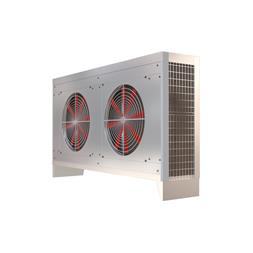 Axial Fan Evaporative Cooler
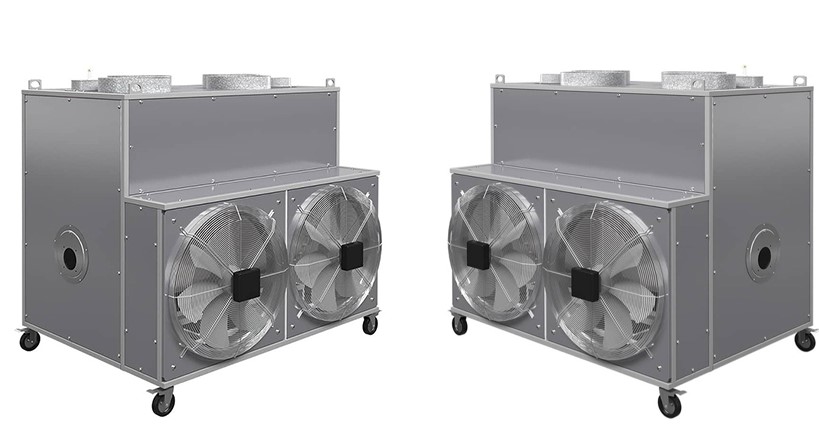 Furnace Heater
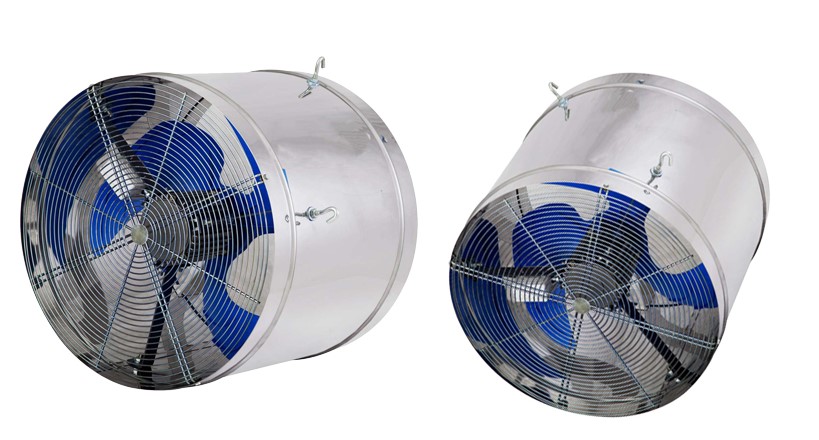 Type 4 Circulation Fan
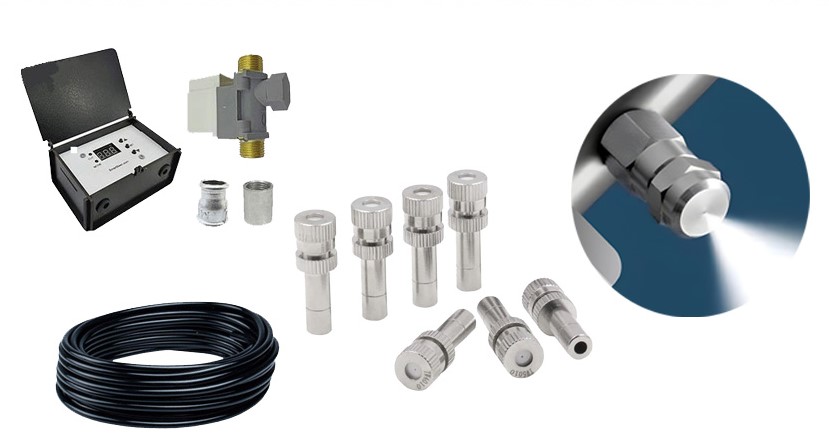 Greenhouse Mist Sprayer