




Latest Update: Jul 2, 2026, 6:06:52 PM
Is your greenhouse becoming a safe haven for pests?
In today's competitive agricultural market, growing crops is no longer just about cultivating plants; it is about managing an entire ecosystem. Many greenhouse growers believe that the only way to save their crops from pests such as whiteflies, thrips, or spider mites is to rely on powerful chemical pesticides. However, the reality is that every pesticide application can disrupt the ecological balance of the greenhouse and reduce the quality of the final product.
The future of agriculture belongs to growers who focus on environmental management instead of constant chemical warfare. If you want to produce crops that meet export standards while eliminating the high costs of chemical pesticides, you need to understand the principles of Integrated Pest Management (IPM).
In this article from Golafrooz, we move beyond traditional approaches and explore practical techniques that can help keep your greenhouse productive, healthy, and pest-resistant without using a single drop of chemical pesticide.
The Role of Engineered Greenhouse Infrastructure in Reducing Pest Problems
Many pest outbreaks begin with poor greenhouse design.
Areas with stagnant air circulation (dead spots) create ideal conditions for pests to establish colonies. Proper greenhouse design based on engineering principles, wind direction analysis, and light optimization acts as the first line of defense against pest invasion.
In well-designed greenhouses, pest management can become up to 30% easier because hiding and breeding zones are significantly reduced.
Why Hydroponic Greenhouses Are Leading in Pest Management
Hydroponic agriculture removes soil, which is one of the largest sources of soil-borne pests and diseases.
When the growing medium is sterile and carefully managed, growers can focus primarily on controlling airborne pests. In many cases, this means that half of the battle is already won.
By combining hydroponic systems with automated nutrient management, plants can dedicate more energy to growth instead of coping with environmental stress. Well-nourished hydroponic plants often develop stronger natural resistance to pest attacks.
What Is Integrated Pest Management (IPM)?
Integrated Pest Management (IPM) is a smart strategy that combines multiple control methods to keep pest populations below the economic damage threshold.
In IPM, chemical spraying is the last option, not the first.
Why Should We Reduce Chemical Pesticide Use?
Overuse of pesticides creates several serious problems:
Pest Resistance
Repeated use of the same pesticide makes pests increasingly resistant.
Chemical Residues
Residues reduce export opportunities and lower the value of premium products.
Damage to Beneficial Insects
Natural enemies of pests are often killed alongside the target pests.
Consumer Health Standards
Modern markets increasingly demand safe, low-residue produce.
Traditional Pest Control vs. Modern IPM
|
Criteria |
Traditional (Chemical-Based) |
Modern Greenhouse (IPM) |
|---|---|---|
|
Strategy |
Reaction after infestation |
Prevention and continuous monitoring |
|
Long-term cost |
High |
Optimized |
|
Product safety |
Risk of pesticide residues |
Safe and export-ready |
|
Ecosystem balance |
Destroys many insects |
Preserves beneficial organisms |
Practical Steps for Chemical-Free Pest Management
1. Smart Monitoring
Without monitoring, you are essentially shooting in the dark.
Modern greenhouses use sticky traps:
• Yellow traps for whiteflies and aphids.
• Blue traps for thrips.
Place traps slightly above the plant canopy and inspect them twice per week to track pest population trends.
2. Biological Control
Nature already provides powerful pest-control agents.
Introduce beneficial insects such as:
• Phytoseiulus persimilis – a predator of spider mites.
• Encarsia formosa – a specialist against whiteflies.
• Ladybugs – excellent for aphid control.
3. Environmental Management
Many pests thrive under specific climate conditions.
For example, spider mites explode in hot, dry environments.
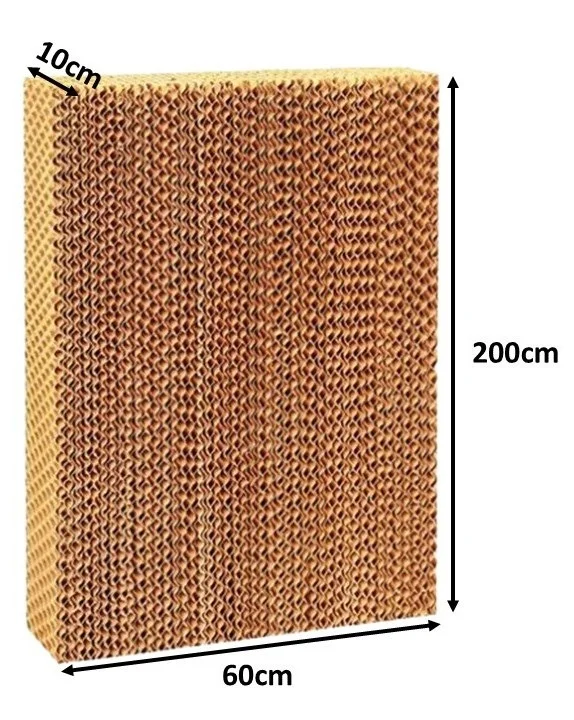
Using automation systems, cooling pads, and exhaust fans allows growers to create a microclimate that is less favorable for pests.
4. Insect-Proof Screens
Installing high-quality insect screens on ventilation openings is one of the simplest yet most effective preventive measures.
These screens block flying pests such as thrips and whiteflies from entering the greenhouse.
Greenhouse Pest Management Checklist
Remove plant debris immediately.
Install proper insect screens at entrances.
Inspect plants daily using a magnifying lens.
Maintain balanced plant nutrition.
Disinfect tools and staff clothing regularly.
Final Thoughts
In modern greenhouses, equipment is not only used for plant growth—it is also a critical tool for plant health management.
When the greenhouse structure is properly engineered, climate-control systems operate efficiently, and automation is optimized, pest control becomes a manageable process instead of a constant crisis.
If you are planning to upgrade your greenhouse with professional equipment and modern control systems, the Golafrooz team can support you from design and site analysis to complete hydroponic greenhouse setup and implementation.
Frequently Asked Questions (FAQ)
1. Are biological control methods really as effective as chemical pesticides?
Yes. In many situations they are even more effective because pests do not develop resistance as easily. The key is timing—beneficial insects should be released before pest populations reach outbreak levels.
2. Why do pests still appear even when the greenhouse is clean?
Pests can enter through workers' clothing, contaminated tools, imported materials, or unprotected ventilation openings. In addition, poor temperature and humidity management can create ideal conditions for rapid pest reproduction.
3. What is the first step in starting biological control in a hydroponic greenhouse?
The first step is accurate monitoring. Use sticky traps and regular plant inspections to identify which pests are present and at what population level.
4. How does greenhouse automation help reduce pests?
Automation keeps temperature and humidity within optimal ranges. Since many pests thrive under extreme conditions, maintaining a stable climate helps prevent population explosions.
5. Do insect screens reduce greenhouse ventilation?
When properly selected and installed, no. High-quality screens allow sufficient airflow while preventing pest entry. The screen mesh size should be chosen based on the crop and local climate conditions.
 Aeroponic Saffron Cultivation: Costs, Profit, Benefits & Greenhouse Setup
 Complete Guide to Tomato Greenhouse Construction: Soil vs. Hydroponic
 How to Build a Cucumber Greenhouse
 How to Build a Home Greenhouse from A to Z
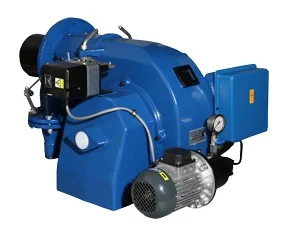 Dual-Fuel Burner 1 to 3
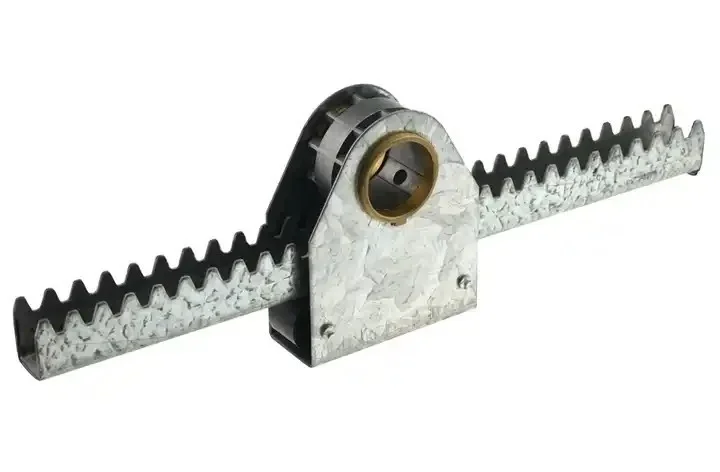 Spanish Brass Rack and Gear with Greenhouse Clamp
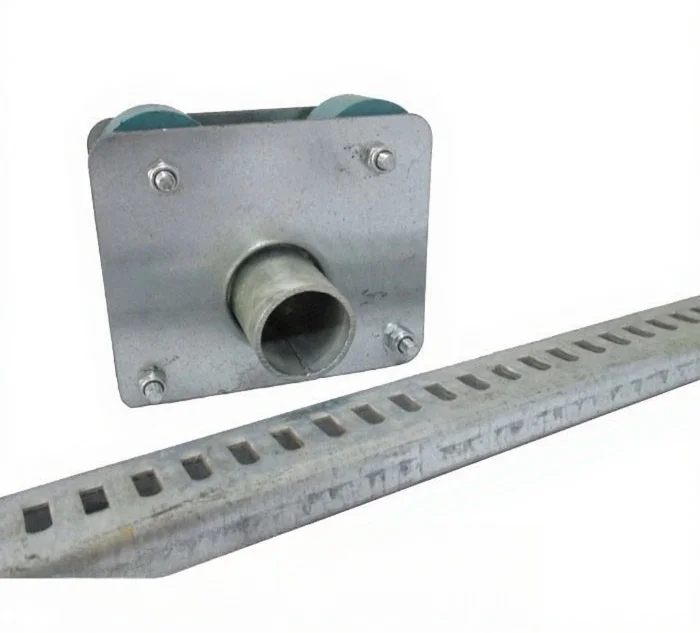 Iranian Galvanized Rack and Gear with Greenhouse Clamp
 10×50 m Greenhouse Plastic Film with 10% UV
 10×60×200 cm Cellulose Cooling Pad Block