




Latest Update: Dec 13, 2025, 6:15:08 PM
Introduction
Water, soil, and light; these three main pillars of agriculture have guaranteed our survival for thousands of years. But today, serious challenges like freshwater scarcity, arable soil erosion, and the growing need for high-quality food supplies are forcing us to look for smarter solutions. If you are at the beginning of your greenhouse construction journey or plan to upgrade your old cultivation system, the key question occupying your mind is likely: Should I continue the traditional soil path, or should I switch to modern hydroponic technology?
Imagine there are two different paths to reaching maximum profit in the greenhouse business. One is a path with historical depth that has stood the test of time but faces significant resource limitations; the other is an innovative path that, with a higher initial investment, promises greater production efficiency and impressive water savings. In this article from the Gol Afrooz blog, we intend to examine the profit factors of hydroponic greenhouses versus soil-based ones through a specialized and numerical analysis.
Structural and Functional Differences Between Hydroponic and Soil Cultivation
To understand which cultivation method can be more profitable for you, we first need to recognize the main structural difference between these two systems. This difference boils down to how the plant's nutritional elements and growing environment are supplied. Understanding this will help us analyze costs and efficiency more logically later on.
Comparing soil and soilless cultivation is essentially discussing two different philosophies. Traditional soil cultivation views soil as a physical medium to hold roots and a source of nutrients—elements that must be decomposed by microorganisms and delivered to the root by water. However, in a hydroponic system, this medium is removed, and all its functions are delegated to a fully controlled liquid environment.
How Does Traditional Soil Cultivation Work?
In the traditional method, the plant root must struggle to obtain its required elements from the soil. This process inherently has low efficiency because we cannot be sure exactly how much of the 20 required elements the plant receives at any given moment. For this reason, farmers are forced to add large amounts of fertilizer to the soil, a significant portion of which is often wasted or penetrates underground aquifers, causing pollution.
At Gol Afrooz, we know that despite advances in fertilization, problems like soil salinity, salt accumulation, and land fatigue (reduced fertility) still exist. These issues force greenhouse owners to perform costly soil replacement and sterilization every few years. It is not surprising to learn that to achieve good performance in soil cultivation, water consumption is usually much higher than the plant's actual need, just to make elements available to the roots.
What is Hydroponics or Water Culture?
Hydroponic cultivation, which is effectively soilless farming, changes the game. In this system, instead of soil, plant roots are placed in neutral substrates like cocopeat, perlite, or rockwool, or are even directly immersed in a nutrient solution containing water and all necessary nutrients. The key difference is that the nutrient solution is a precisely balanced composition; meaning we know exactly what the plant receives and in what quantity.
Therefore, unlike soil cultivation where plant nutrition depends on uncontrollable variables (like microorganisms and variable soil pH), in hydroponics, all factors—from solution pH to EC (Electrical Conductivity, which indicates element concentration)—are continuously monitored and adjusted. Since this system is usually designed as a "Closed-loop," wasted water and nutrients return to the tank. Thus, input consumption decreases incredibly. Next, we will examine how this precise control leads to higher profits.
Comparing Construction and Setup Costs
One of the main barriers to implementing the best greenhouse cultivation method, especially in our region, is the initial investment. Although the ultimate goal is profit, the level of risk an investor accepts is directly related to the upfront cost. We’ve established that hydroponics is technically more advanced, but this advancement definitely comes at a higher price.
When planning to build a hydroponic greenhouse, a significant portion of the budget goes into equipment that doesn't exist in the traditional system. This equipment includes water circulation pumps, storage and mixing tanks for nutrients, pH and EC sensors, and most importantly, specialized piping (like NFT or Deep Water Culture) or more expensive substrates (like perlite and cocopeat). These systems require automation and more electricity to circulate the nutrient solution.
Why Does Hydroponics Cost More?
The construction cost of a hydroponic greenhouse in the initial setup phase is usually at least 30% to 70% higher than a standard soil greenhouse of similar dimensions. This price difference is due to:
-
Specialized Infrastructure: Need for growing tables, drainage channels, and expensive growing media (instead of free or cheap soil).
-
Control and Automation Systems: Equipment for monitoring and precisely adjusting nutrients and acidity, which is not essential in soil cultivation.
-
Advanced Filtration: To prevent pipe clogging and maintain nutrient solution quality.
You might find it interesting that according to research published in the Journal of Horticultural Science of Iran, the bulk of the increased initial costs in hydroponic projects relates to the "Head Section" of the feeding system. However, let's not forget that this higher investment will be largely compensated in the long run due to the longer lifespan of equipment and the elimination of annual soil replacement costs, bringing us closer to higher profitability. Now that we are familiar with setup costs, let's examine the most critical factor: Water.
Water Management: The Winning Card in Arid Climates
In the current climatic conditions, where water scarcity has turned into a national crisis, any discussion about the difference between hydroponic and soil greenhouses is incomplete without addressing the water factor. Your choice of cultivation system directly impacts not only financial profitability but also business sustainability and social responsibility.
In soil cultivation, a significant portion of the water given to the plant is merely used to saturate the growing environment and maintain humidity, with a large amount lost through surface evaporation. Also, in many cases, excess water used to wash away salts and prevent salinity drains out from the greenhouse floor and is wasted. In contrast, the soilless system is a key player in the battle for water management.
Reviewing the Stats: High Savings in Hydroponics
According to official reports, including research from the National Drought and Crisis Management Center, hydroponic cultures can save 80% to 90% in water consumption compared to traditional (open field) farming. Even compared to indoor soil greenhouses, the savings reach at least 50% to 60%. This saving is mainly due to two mechanisms:
-
Closed System: In hydroponics, the nutrient solution not absorbed by the plant is collected, filtered, re-balanced, and returned to the cycle. This means almost no water is wasted.
-
Precise Moisture Control: By using neutral substrates and precise irrigation timing, we hydrate exactly to the plant's need, preventing excessive irrigation of the growing medium.
Since the cost of water and pumping energy is rising, this significant reduction in water consumption directly affects the profit of hydroponic greenhouses compared to soil ones, creating a sustainable competitive advantage.
Analyzing Production Efficiency and Final Product Quality
When looking for the best greenhouse cultivation method, our ultimate success metric is the quantity and quality of the harvest. In this section, it is clear that the hydroponic system compensates for the higher initial investment with much better performance and more standardized product quality.
In soil systems, roots must spend a lot of energy absorbing nutrients; this energy, instead of going into producing fruit and flowers, is spent on root growth. But in hydroponics, nutrients are placed right in front of the root in a ready-to-absorb liquid form (known as "perfectionist nutrition"). This allows the plant to dedicate its energy to producing more and higher-quality crops.
For example, in crops like tomatoes and cucumbers, numerous reports show that on an equal cultivation area, the harvest tonnage in a hydroponic system can be 25% to 50% higher than soil cultivation. This is due to the possibility of increasing planting density, faster growth rates, and more harvests within a specific period.
Which Method Makes Pest and Disease Control Easier?
Another difference between hydroponic and soil greenhouses is how they deal with root diseases. Soil is the main vector and shelter for many plant pathogens. In soil cultivation, if a part of the land gets infected, controlling it is very difficult and costly, often requiring strong and dangerous chemical pesticides.
In contrast, in soilless cultivation, the risk of fungal and bacterial root diseases is drastically reduced. Neutral growing media are sterile, and since the water is in a closed loop, any potential contamination can be quickly identified and isolated. This means:
-
Significant reduction in pesticide use: Producing healthier and more organic-like products.
-
Increased plant growth speed: Plants that don't have to fight pathogens grow faster.
-
More harvest cycles: With reduced land resting time and lower disease risk, we can run more cultivation cycles throughout the year.
Technical Challenges and Expertise Required
So far, it might seem that hydroponics is a flawless solution for maximum profit. But the truth is, any advanced system requires advanced management skills. One of the main differences often overlooked in general articles is the need for specialized operators.
Soil cultivation is somewhat more forgiving. Small errors in irrigation or fertilization are usually compensated by the soil's buffering capacity, giving the plant time to react. But in a hydroponic system, things are completely different. Since roots are directly in the solution, the smallest mistake in solution settings (like severe pH or EC fluctuations) can seriously damage all plants within hours. These systems require round-the-clock management and strong technical knowledge.
Systemic Risks and Equipment Dependency
The cost of building a hydroponic greenhouse includes investment in electrical equipment (pumps, sensors, and controllers). This equipment is vital; if the power goes out and pumps fail, the flow of water and oxygen to the roots stops, and in the summer heat, the entire crop is at risk of destruction. This dependency is a systemic risk that doesn't exist in soil greenhouses (at least in the short term).
Therefore, when choosing the best cultivation method, you must answer this: Does your operational team have enough knowledge and experience to manage nutrient solutions, calibrate sensors, and react quickly to system alerts? If the answer is no, investing in hydroponics might pose a high risk initially.
So, Which Cultivation is More Profitable: Hydroponic or Soil?
We’ve reached the heart of the discussion. The goal of comparing hydroponic and soil greenhouses isn't just scientific curiosity; the ultimate goal is achieving maximum profitability. To make a final comparison, we must weigh running costs against sales revenue.
Comparison Metrics
| Metric | Traditional Soil Cultivation | Hydroponic (Soilless) Cultivation | Impact on Final Profit |
| Initial Capital | Lower | Up to 70% Higher | Lower risk at the start (Soil) |
| Water Usage | High | Up to 60% Savings | Reduced running costs & sustainability (Hydro) |
| Efficiency (Tonnage) | Average | High (up to 50% more) | Significant increase in sales revenue (Hydro) |
| Fertilizer & Pesticide Cost | High (due to waste) | Low (closed system & pest control) | Reduced input costs (Hydro) |
| ROI (Return on Investment) | Slower (lower efficiency) | Faster (higher revenue) | Higher long-term profitability (Hydro) |
Who Should Choose Soil and Who Should Choose Hydroponic?
Based on specialized data and our experience at Gol Afrooz, the answer depends on two main factors: initial capital and long-term goals.
-
If you have limited capital and are just starting:
Starting with soil cultivation or semi-hydroponic systems (like bag culture or pots with perlite substrate) is more reasonable. This gives you the chance to gain greenhouse management experience with lower risk and then upgrade the system to hydroponics over time.
-
If you have the capital and seek maximum performance:
Hydroponic cultivation is almost always more profitable in the long run. Increased efficiency, uniform product quality, reduced input costs (water and fertilizer), and the possibility of better pricing (due to quality certificates) mean that the ROI is faster, despite the expensive start.
Why Consulting with Gol Afrooz Experts Matters?
In this article, we discussed the differences between hydroponic and soil greenhouses and saw that each has its own pros and cons. A specialized analysis of your geographical region, target crop, water quality, access to electricity, and sales market will determine your path. At Gol Afrooz Greenhouse Construction, with years of experience in designing, building, and optimizing advanced greenhouses, we know well that even in a hydroponic system, the type of growing medium (cocopeat, rockwool, or NFT) can affect construction costs and your final profit.
FAQs
-
Can we have both soil and hydroponic cultivation in one greenhouse?
Yes, this is completely possible. Many greenhouse owners dedicate part of the greenhouse to traditional crops and part to hydroponic systems to reduce risk and manage resources better. This strategy lowers your investment risk in the early phases.
-
What is the lifespan of hydroponic equipment?
If quality equipment is used and maintained properly, the lifespan of piping systems and fixed beds can be between 10 to 15 years. Pumps and sensors usually have a shorter lifespan but are easy to replace or repair.
-
Are hydroponic products considered organic?
No, the definition of organic usually refers to the use of soil and the absence of synthetic chemical fertilizers and pesticides. However, organic and natural fertilizers can be used in hydroponics to produce crops certified as natural or pesticide-free, though the title "organic" is typically not applied to them.
 Complete Guide to Tomato Greenhouse Construction: Soil vs. Hydroponic
 How to Build a Cucumber Greenhouse
 How to Build a Home Greenhouse from A to Z
 Cost of Building a 1,000 sqm Hydroponic Greenhouse
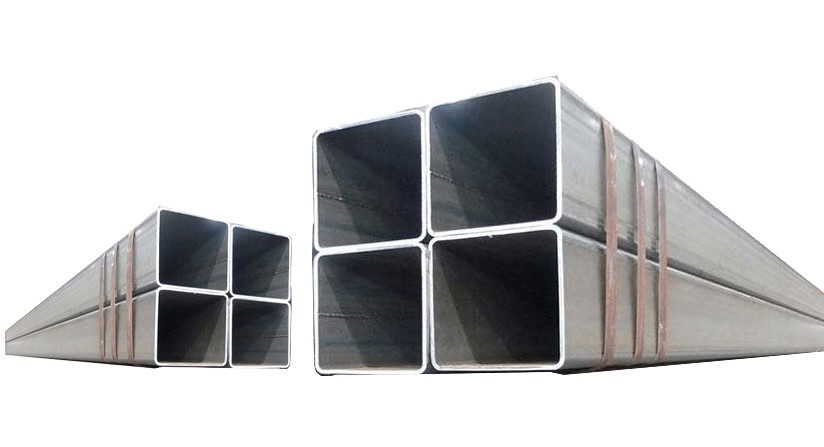 Galvanized can profile 10
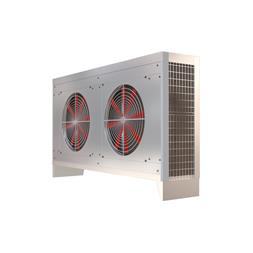 Axial Fan Evaporative Cooler
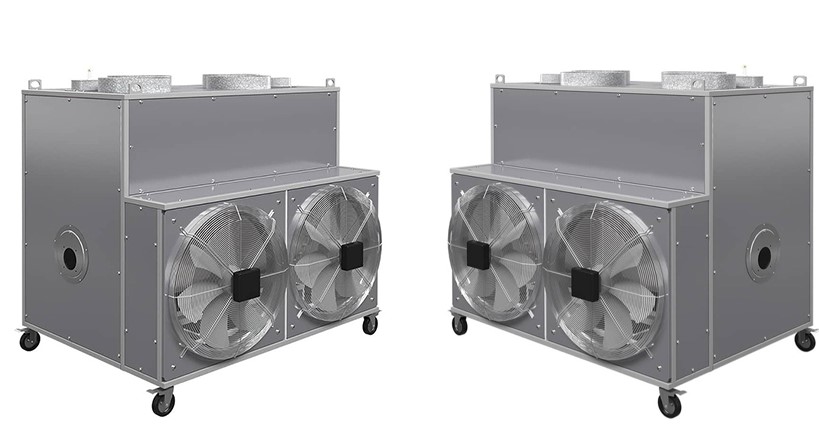 Furnace Heater
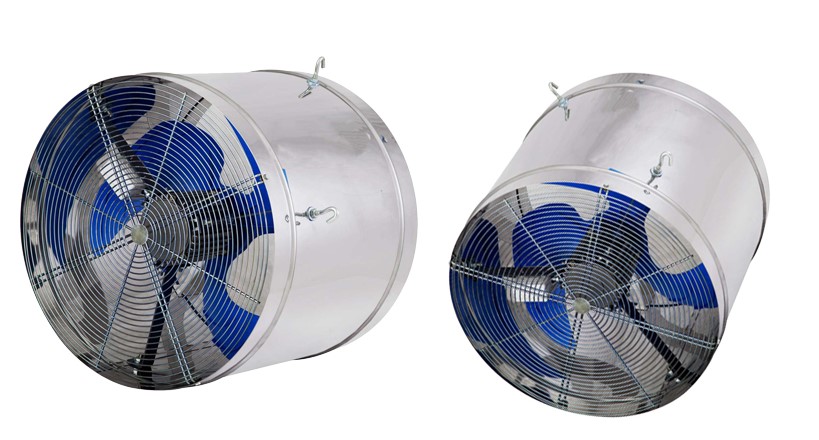 Type 4 Circulation Fan
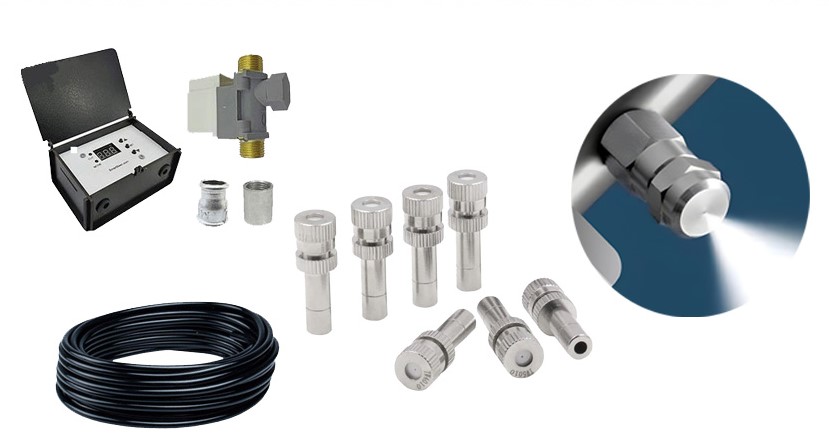 Greenhouse Mist Sprayer