




Latest Update: Sep 1, 2026, 4:08:37 AM

What Is Aeroponic Saffron Cultivation?
Aeroponic saffron cultivation is a modern and smart farming method in which saffron bulbs are grown without soil and arranged in multiple layers. Moisture and nutrients are supplied through a misting system. This method can reduce water consumption by up to 90%, increase planting density by up to five times, and produce high-quality Super Negin saffron suitable for export.
The initial investment required to establish a 500- or 1,000-square-meter saffron greenhouse depends on several factors, including the type of structure, galvanized steel construction, climate-control equipment, and the required quantity of saffron bulbs. The return on investment is generally estimated at between one and two years. To obtain agricultural loans, an approval from the Agricultural Engineering Organization and compliance with greenhouse construction standards are generally required.
Why Grow Saffron?
If you are looking for a profitable and smart investment opportunity, you have probably heard about aeroponic saffron cultivation or greenhouse saffron farming. As water scarcity and climate change create serious challenges for traditional agriculture, moving saffron—often referred to as “red gold”—into modern greenhouses can offer an innovative and economically attractive solution.
However, investors usually have several important questions: How much initial capital is required? How much profit can be generated in one year? Can I obtain a bank loan? And, most importantly, what is the right process for implementing this project?
In this article from the blog of Gol Afrooz Greenhouse Construction Company, we aim to explain the entire business model in simple terms, from the initial setup to production, profitability, and financing.
What Exactly Is Aeroponic Saffron Cultivation?
In aeroponics, also known as soilless or air cultivation, soil is completely removed from the plant's growth environment inside the greenhouse. Large, high-quality saffron bulbs weighing more than 15 grams are placed on specially designed wooden or metal racks.
In this dark and isolated environment, moisture and oxygen are delivered through fogging systems in the form of extremely fine particles. The saffron bulbs absorb the required moisture and nutrients directly from this controlled environment.
Many farmers mistakenly believe that saffron remains inside the greenhouse throughout the entire year. In reality, saffron bulbs are transferred to the greenhouse primarily for the flowering stage, which lasts approximately three to four months in autumn.
After the flowers are harvested, the bulbs must be transferred to agricultural soil. This allows them to receive nutrients, produce daughter bulbs, and complete their dormancy period before the next growing cycle.
Step-by-Step Process of Greenhouse Saffron Cultivation
To give you a clearer understanding of how greenhouse saffron cultivation works, we have summarized the process in five steps:
-
Selecting and Sorting Saffron Bulbs:
In mid-summer, large, healthy, and fungus-free saffron bulbs weighing approximately 15 to 20 grams or more are purchased and carefully sorted.
-
Fungicide Treatment and Disinfection:
Before entering the greenhouse, the bulbs are treated with appropriate disinfectant solutions to prevent contamination and the spread of fungal diseases inside the growing facility.
-
Transferring Bulbs to Greenhouse Racks:
The bulbs are arranged on specially designed racks, and the greenhouse is maintained in complete darkness under controlled temperature and humidity conditions. This stage generally takes place around September.
-
Temperature Shock and Flowering:
Cooling systems are used to expose the bulbs to the required temperature conditions and stimulate flowering. Precise climate control is essential during this stage, which usually takes place around November.
-
Harvesting and Transferring the Bulbs to Soil:
After saffron flowers and stigmas are harvested in late autumn, the bulbs are transferred to agricultural soil. They remain in the soil to receive nutrients, multiply, and prepare for the following year's production cycle.
Amazing Benefits of Aeroponic Saffron Cultivation
-
Water Conservation: Water consumption can be reduced by up to 90%.
-
Higher Planting Density: A 100-square-meter greenhouse with five growing layers can accommodate a quantity of saffron bulbs equivalent to what would require several thousand square meters of traditional farmland.
-
Exceptional Quality — Super Negin Saffron: Precise temperature control and the absence of direct contact with soil can contribute to larger stigmas and high crocin levels. This high-grade saffron can be suitable for export markets.
-
Better Protection: Frost, premature heat, mole rats, and many soil-borne pests can be effectively prevented from reaching the crop in a controlled greenhouse environment.
Traditional vs. Aeroponic Saffron Cultivation
| Feature | Traditional Soil-Based Farming | Aeroponic Greenhouse Farming |
|---|---|---|
| Water Consumption | Very high | Up to 90% lower |
| Planting Density | Low and limited by available land area | Very high with multiple growing layers |
| Product Quality | Moderate to good | Excellent, with potential for high-grade Super Negin saffron |
| Pest Control | Difficult and costly | Isolated and highly controllable |
| Initial Investment | Relatively low | Requires investment in greenhouse structures and equipment |
How Much Investment Is Required for a 500- or 1,000-Square-Meter Saffron Greenhouse?
One of the most important concerns for investors is the amount of initial capital required. The cost of establishing a saffron greenhouse can generally be divided into two main categories: fixed costs for the structure and equipment and operating costs for purchasing saffron bulbs.
Since material prices can change frequently and every project must be designed according to the specific geographical and topographical conditions of the site, Gol Afrooz provides specialized consultation to help investors determine the most accurate project cost. However, the following estimates can provide a general understanding of the required capacity and investment structure.
Estimated Investment for a 500-Square-Meter Greenhouse
In a 500-square-meter facility equipped with a standard five-layer system:
-
Structure and Equipment: This includes hot-dip galvanized steel structures, fogging systems, chillers or cooling systems, heaters, climate sensors, and specialized racks.
-
Saffron Bulb Capacity: On average, approximately 15 to 25 tons of saffron bulbs can be accommodated in this space.
-
Investment Overview: The largest portion of the investment is generally allocated to purchasing large saffron bulbs. Fortunately, these bulbs can be considered a productive and potentially recoverable investment because they can multiply after being transferred to soil.
Estimated Investment for a 1,000-Square-Meter Greenhouse
-
Industrial-Scale Operation: Moving to a 1,000-square-meter facility means entering a larger-scale production phase with the potential for significantly higher profitability.
-
Saffron Bulb Capacity: Approximately 30 to 50 tons of saffron bulbs may be required for this size of facility.
-
Economies of Scale: The good news is that construction and equipment costs are distributed across a larger production area. As a result, the average construction cost per square meter in a 1,000-square-meter greenhouse can be lower than the cost per square meter of a smaller 200-square-meter facility.
As a direct manufacturer of greenhouse structures and equipment, Gol Afrooz offers competitive pricing while maintaining construction quality.
Saffron Cultivation Revenue and Return on Investment in the First Year
Is saffron greenhouse farming economically viable? Yes, it can be highly attractive when properly designed and managed.
-
Revenue from Dried Saffron: Under standard aeroponic conditions, an average of approximately 1 to 1.5 kilograms of dried Super Negin saffron may be produced from every ton of large saffron bulbs. Greenhouse-grown saffron can command premium prices in international markets, so revenue estimates should always be calculated based on the current market price.
-
Hidden Value of Saffron Bulbs: This is one of the important economic advantages of saffron cultivation. The bulbs purchased in the first year can multiply after being transferred to soil, and their total weight may potentially increase significantly in the following year. Surplus bulbs can be sold or used to expand the greenhouse operation.
-
Return on Investment: With proper management, efficient production practices, and the use of a standardized greenhouse structure, the initial investment may typically be recovered within approximately one to two years.
Can You Get a Loan to Build a Saffron Greenhouse?
The government and Ministry of Agriculture have introduced various financial support programs to encourage modern and water-efficient farming methods. These programs may include subsidized agricultural loans and rural development financing.
Requirements for Obtaining a Saffron Greenhouse Loan
Banks generally provide financing only to projects that have an approved feasibility study and meet the required technical and engineering standards.
The greenhouse structure must be standardized, professionally engineered, and approved by the relevant agricultural engineering authorities. Traditional, welded, and homemade greenhouse structures generally do not qualify for these types of financing.
 How to Control Greenhouse Pests Without Chemical Pesticides
 Complete Guide to Tomato Greenhouse Construction: Soil vs. Hydroponic
 How to Build a Cucumber Greenhouse
 How to Build a Home Greenhouse from A to Z
 Dual-Fuel Burner 1 to 3
 Spanish Brass Rack and Gear with Greenhouse Clamp
 Iranian Galvanized Rack and Gear with Greenhouse Clamp
 10×50 m Greenhouse Plastic Film with 10% UV
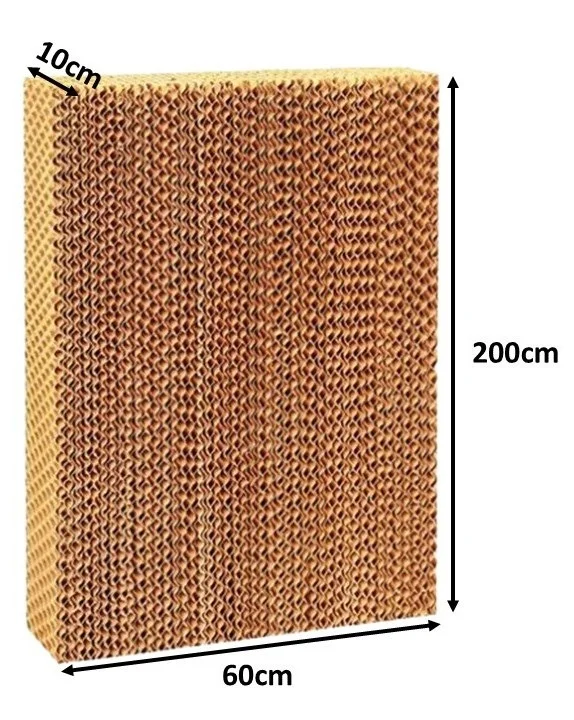 10×60×200 cm Cellulose Cooling Pad Block