




Latest Update: Dec 16, 2025, 10:54:38 AM
Introduction
Perhaps you have a small piece of land in your backyard, a paternal garden, or a plot on the outskirts of the city, and you have asked yourself many times: "Can I start a high-income business in this 500-square-meter space?" In the economic conditions of late 2025, where inflation casts a shadow over all aspects of life, optimizing assets is no longer just a choice; it is a smart necessity. Many imagine that agriculture means hectares of land and huge tractors; but the reality is different. Today, the income of a 500-meter greenhouse, if combined with modern knowledge and technology, can equal high-level managerial salaries.
In this article from the Gol Afrooz blog, we decided to examine the economic justification of a small greenhouse using the language of math and economic logic. If you want to know where to invest your money on the threshold of 2026, this article is written exactly for you.
The Revolution of Small-Scale Greenhouses in 2025
Until a few years ago, obtaining permits and setting up greenhouses under 3,000 meters faced many legal challenges. Fortunately, with changes in the Ministry of Agriculture's policies and the issuance of new guidelines in recent years, the concept of "Small-Scale Greenhouses" has been officially recognized. This change in law was a turning point for the entry of micro-capital into the production sector.
Currently, constructing a greenhouse in sizes of 300 to 500 meters within village textures and even some urban areas (observing regulations) has a facilitated process. But why is this important for the income of a 500-meter greenhouse? Because it exempts you from the heavy costs of land use changes and buying large industrial lands. You establish an economic enterprise on your own land with managed capital. This means eliminating the biggest barrier to entry and focusing capital on equipment and technology, which guarantees your profitability.
Soil or Hydroponic? The Crucial Fork in the Road
One of the most important decisions that determines the profit of your small-scale greenhouse is the choice of cultivation medium. In a 500-meter space, you do not have the right to make mistakes or waste space and time. Let's compare these two methods for 2025:
1. Soil Cultivation: Low Cost but Low Yield In soil cultivation, roots must grow to find nutrients, meaning the plant's energy is spent on rooting rather than fruit production. Also, planting density is limited. While the initial cost might be lower, controlling soil-borne diseases like nematodes in a closed space is very difficult. For 500 meters, soil cultivation usually does not have high economic justification unless for very special medicinal plants.
2. Hydroponic (Soilless) Cultivation: High Cost, Explosive Profit In hydroponics, you are not limited by the 500-meter surface; you can farm vertically. Imagine having 5 layers of shelving; you effectively have 2,500 meters of cultivation area! In late 2025, as substrate technologies have advanced, hydroponics allows you to increase density up to 10 times. The income of a 500-meter hydroponic greenhouse is incomparable to the traditional method due to the elimination of soil diseases, precise nutrition, and increased density. Gol Afrooz’s specialized recommendation for small sizes is definitely to move past soil and enter the world of hydroponics or aeroponics.
5 Greenhouse Products with the Highest Profit Margin in 2026
Know from the start that the Iranian consumer market is constantly changing. A product that was profitable 5 years ago might be saturated today. Based on our team's market research, investing in the following 5 categories is suggested for a 500-meter greenhouse or larger:
1. Luxury Tropical Fruits (e.g., Papaya and Dragon Fruit) You might be surprised, but the Iranian palate has shifted strongly toward tropical fruits. Papaya (also known as tree melon), specifically the dwarf varieties, is an ideal option for 500-meter greenhouses. These trees grow fast and bear fruit year-round. The price per kilogram of Papaya in the 2025 market is experiencing significant figures, and since there are few competitors, its sale is guaranteed.
2. High-Tech Grafted Seedlings Industrial farmers no longer take risks; they look for seedlings grafted onto resistant rootstocks. Producing grafted seedlings (e.g., grafting watermelon onto squash for disease resistance) is a technique with extraordinary added value. In 500 meters, you can have millions of Tomans worth of these products; the only thing you need is the knowledge of fruit grafting.
3. Off-Season Flowers Producing roses or lilies when every flower shop has them in stock is not an art. The art is using artificial light systems and temperature control to bring flowers to market exactly when the market is empty, for example, on Yalda Night or Valentine's Day. The best cultivation for a small greenhouse is calendar-driven farming.
4. Greenhouse Saffron As mentioned before, saffron is always attractive due to its low water requirement and dollar-based income. But the key point is that in 2025, you must include processing and stylish packaging in your work. Bulk sales give the profit to the broker, but if you have luxury packaging right in the greenhouse, you multiply your profit.
5. Microgreens Microgreens are young vegetables that luxury restaurants and hotels are avid buyers of. The interesting point is that their growth cycle is only 10 to 14 days. This means you harvest twice a month, which greatly speeds up the return on investment (ROI) in this method.
Precise Analysis of Hidden and Visible Costs
Many internet justification plans underestimate costs to attract you. But at Gol Afrooz, we believe the accounting must be precise so that the person entering the business doesn't worry about extra costs later. Keep in mind that every cost we mention returns to you after a specific working period (the so-called "gestation period"), and your profit is guaranteed. For constructing a standard 500-meter greenhouse, you face the following headlines:
-
Structure and Cover: Wind and snow-resistant skeleton (Galvanized Steel) + 10% UV Polycarbonate or Plastic. (Note: Steel prices have fluctuated in 2025).
-
HVAC Systems: The beating heart of your greenhouse. Using radiant heaters or standard hot air furnaces and Pad & Fan systems for cooling.
-
Irrigation and Nutrition: Automatic dosing pumps for precise fertilizer injection.
-
Substrate and Pots: Cost of buying Cocopeat, Perlite, or Rockwool.
-
Permits and Utilities: Administrative costs, Agricultural Engineering Organization tariffs, and purchasing 3-phase electricity and gas connections.
-
Golden Cost-Reduction Tip: You don't have to buy everything new. In 2025, the market for second-hand greenhouse equipment is very hot. Buying a healthy second-hand heater can save 30% to 40% on facility costs.
Important Note: Be careful and pay attention to the fact that prices in Iran change and fluctuate every day; you must calculate your profit based on current rates.
Formula for Calculating Net Profit of a 500-Meter Greenhouse in 2025
To know if a 500-meter greenhouse is economically viable, use this simple but practical formula:
Net Profit = (Unit Sales Price × Quantity Produced) - (Amortized Fixed Costs + Running Costs)
A point often forgotten is depreciation. You must set aside 10% of the revenue annually for repairs and equipment replacement. A greenhouse that ignores depreciation becomes worn out and unprofitable after 5 years.
The Secret to Survival in the Competitive Market of 2025: Direct Marketing
The era of loading products and sending them to the wholesale fruit market is over for the 500-meter scale. In that method, the broker determines the price. Your strategy must be B2C (Direct to Consumer) or targeted B2B (Selling to restaurants/florists).
-
Power of Instagram and Website: A professional Instagram page or a small online store is your showcase.
-
Creative Packaging: Cherry tomatoes in a plastic bag have one price, but in transparent Kraft packs, they command three times the price.
-
Storytelling: Customers today love to know the product's story. Film the plant growth stages and build customer trust.
Legal and Technical Challenges You Must Know
Besides pests and diseases mentioned earlier, other challenges are lurking:
-
Energy Cuts: In recent winters, industrial gas cuts have occurred. A greenhouse without alternative fuel (diesel) and a power generator is gambling with capital.
-
Skilled Labor: Finding a worker who cares for the plants is hard. In 500 meters, you must be hands-on and supervise directly.
-
Fertilizer Price Fluctuation: Reliance on imported fertilizers is a risk. Try to identify quality domestic alternative fertilizer formulas.
Final Words
In this article from the Gol Afrooz blog, we provided you with complete information about the income of a 500-meter greenhouse. This income has no specific ceiling and depends entirely on your creativity and expertise. If you want to repeat the path of others, you will have an ordinary profit; but if you discover specific needs through market research—like Papaya or grafted seedlings—this 500-meter plot can act like a gold mine.
 Complete Guide to Tomato Greenhouse Construction: Soil vs. Hydroponic
 How to Build a Cucumber Greenhouse
 How to Build a Home Greenhouse from A to Z
 Cost of Building a 1,000 sqm Hydroponic Greenhouse
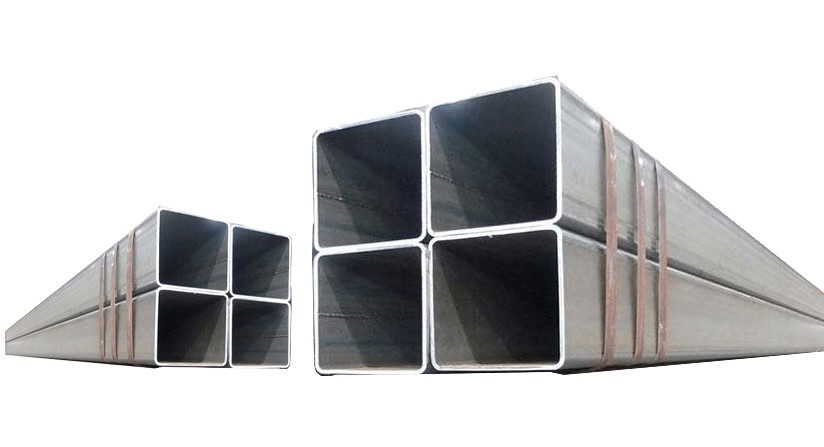 Galvanized can profile 10
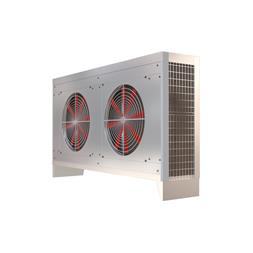 Axial Fan Evaporative Cooler
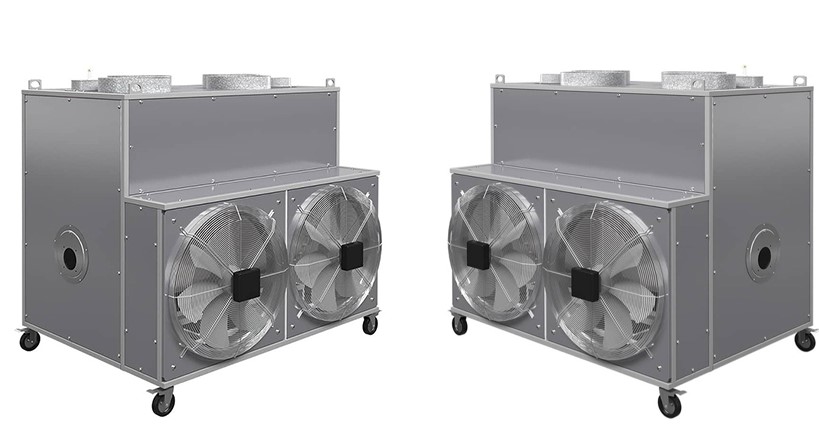 Furnace Heater
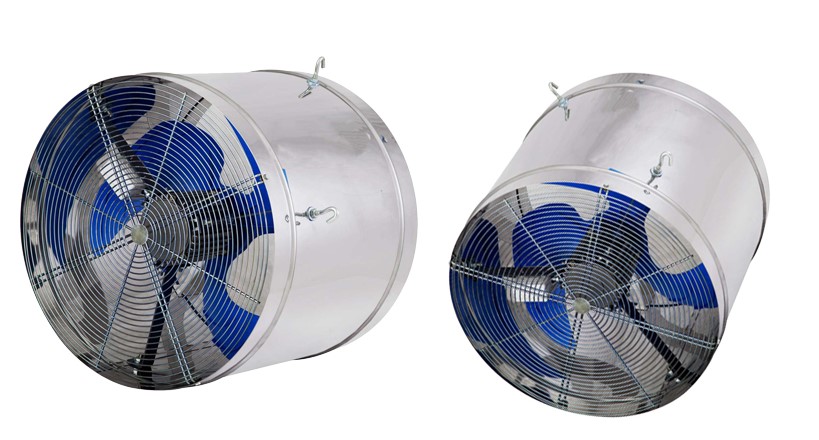 Type 4 Circulation Fan
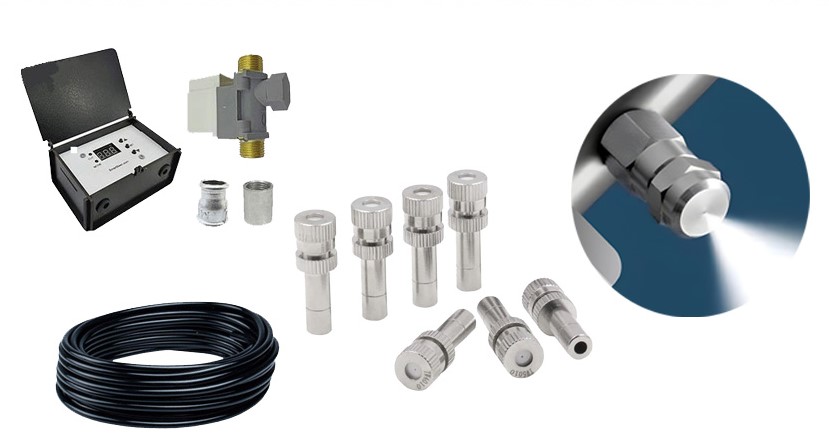 Greenhouse Mist Sprayer