




Latest Update: Nov 13, 2025, 2:54:28 PM

Choosing the right equipment for a greenhouse is far more than a simple purchase—it is one of the most important investments for ensuring long-term profitability. Many growers make the mistake of purchasing greenhouse equipment without considering their local climate, crop type, or production goals. As a result, they often experience reduced productivity, higher maintenance costs, and unnecessary operational challenges.
At Gol Afrouz, we believe that a successful greenhouse is built on three essential pillars: technical expertise, engineering-based design, and high-quality equipment. When these elements work together, they maximize crop performance while reducing operational costs.
In this guide, we take a closer look at the process of selecting greenhouse equipment and explain the key considerations for building a successful hydroponic greenhouse. Whether you are planning a new project or upgrading an existing facility, this article will help you make informed decisions that improve productivity and resource efficiency.
Why Technical Analysis and Site Survey Matter Before Buying Greenhouse Equipment
Studies have shown that a significant percentage of greenhouse project failures originate from poor planning and equipment that does not match the site's conditions. Purchasing greenhouse equipment without conducting a proper site survey is similar to building a house before laying its foundation.
The first and most critical step is conducting a detailed land survey and environmental analysis. These assessments determine the most suitable greenhouse structure, orientation, and environmental control systems based on the unique characteristics of your location.
Every region has different climatic conditions, including temperature, humidity, solar radiation, and wind patterns. Therefore, greenhouse equipment should always be selected according to reliable technical data rather than assumptions.
At Gol Afrouz, our engineering team uses advanced surveying tools to evaluate your site and recommend the most efficient greenhouse layout. Professional consultation before purchasing equipment helps prevent unnecessary expenses and ensures every investment contributes directly to your greenhouse's long-term performance.
With a properly engineered foundation in place, even standard equipment can deliver exceptional results. Without proper planning, however, even premium equipment cannot reach its full potential.
Hydroponic Greenhouse Equipment: The Foundation of High-Yield Production
Unlike conventional farming, hydroponic greenhouse systems rely entirely on environmental control and nutrient management equipment rather than soil. This makes every component of the system essential for maintaining healthy plant growth.
Because nutrients and irrigation are delivered directly to plant roots, even minor failures in pumps, filters, or dosing systems can quickly affect crop quality and productivity.
The table below summarizes the most important equipment required for a professional hydroponic greenhouse.
| Equipment | Primary Function | Priority |
|---|---|---|
| Water Purification Systems | Remove impurities and regulate water quality | Very High |
| Climate Control Systems | Control temperature, humidity, and CO₂ levels | High |
| Fertigation Pumps and Dosing Units | Deliver nutrients accurately to plant roots | Critical |
| Smart Environmental Sensors | Monitor greenhouse conditions in real time | Medium to High |
Selecting reputable equipment manufacturers is equally important. High-quality brands generally provide better reliability, spare parts availability, and technical support, reducing maintenance costs over the lifetime of the greenhouse.
The Role of Smart Greenhouse Technology in Increasing Efficiency
Smart greenhouse systems are no longer considered luxury additions—they have become essential for modern commercial agriculture.
According to reports from the Food and Agriculture Organization (FAO), greenhouse automation can significantly reduce water and fertilizer consumption while improving production consistency and operational efficiency.
When investing in smart greenhouse equipment, compatibility should be one of your primary considerations. Environmental sensors, irrigation systems, ventilation equipment, pumps, and automated windows should all operate through a single integrated control platform.
Using disconnected systems often creates unnecessary complexity, increases operator workload, and reduces overall efficiency.
Key features to consider when selecting smart greenhouse equipment include:
-
Remote monitoring and control through mobile applications.
-
Automatic alarm systems for abnormal environmental conditions.
-
Easy sensor calibration for long-term measurement accuracy.
-
Reliable performance in high-humidity greenhouse environments.
Automation minimizes human error, improves crop consistency, and enables growers to make faster, data-driven decisions.
How to Identify Genuine Greenhouse Equipment
The agricultural equipment market contains many low-quality products that closely resemble genuine professional equipment. While lower prices may seem attractive initially, poor-quality components often fail within months, resulting in expensive repairs and production losses.
Before purchasing greenhouse equipment, consider the following:
-
Product Documentation: Quality equipment should include technical specifications, installation manuals, and manufacturer warranties.
-
International Certifications: Look for recognized quality and safety certifications on pumps, controllers, and automation systems.
-
Technical Support: Purchase equipment from companies capable of providing installation, commissioning, and after-sales support—not simply product sales.
At Gol Afrouz, we manage every stage of greenhouse development, from land surveying and engineering design to equipment supply and installation. Every component we recommend has been tested in real greenhouse projects and meets our quality standards.
Why Choose Gol Afrouz for Your Hydroponic Greenhouse Project?
At Gol Afrouz, we understand that greenhouse equipment functions as a complete integrated system. Every component must work together efficiently to maximize productivity and profitability.
Our services extend far beyond equipment sales.
Accurate Site Survey
Our engineers evaluate your site's topography, sunlight exposure, and climate to determine the ideal greenhouse orientation and design.
Personalized Equipment Consultation
Based on your production goals and budget, we recommend greenhouse equipment that delivers the best balance of performance, durability, and investment value.
Professional Installation and Commissioning
Our technical specialists install every hydroponic greenhouse system according to engineering standards and remain available throughout the commissioning and startup process.
Conclusion
Building a profitable greenhouse is an ongoing process of optimization and continuous improvement. Selecting the right greenhouse equipment is the first—and perhaps most important—step toward achieving sustainable, high-quality production.
Whether you are planning a new hydroponic greenhouse or upgrading an existing facility, investing in properly engineered equipment will reduce operating costs, improve crop quality, and maximize long-term returns.
If you need professional advice on greenhouse equipment selection or would like to receive pricing information for smart greenhouse systems, contact the Gol Afrouz team today. Our specialists are ready to help you design and build a greenhouse tailored to your production goals.
Frequently Asked Questions
1. Do I need to purchase all smart greenhouse equipment before starting?
Not necessarily. While it is important to build a solid infrastructure from the beginning, advanced automation can be added gradually as your business grows. The key is ensuring that your greenhouse systems are designed with future expansion in mind.
2. What is the biggest difference between hydroponic and soil-based greenhouse equipment?
Hydroponic systems rely entirely on controlled irrigation and nutrient delivery. As a result, equipment such as water purification systems, fertigation units, and dosing pumps becomes essential because there is no soil to buffer nutrient imbalances.
3. How does site surveying reduce equipment costs?
A professional site survey determines the exact specifications for piping, pumps, sensors, and environmental control systems. This prevents oversizing or undersizing equipment and eliminates unnecessary expenses while improving system performance.
4. How long does hydroponic greenhouse equipment typically last?
The lifespan of greenhouse equipment depends on product quality, proper installation, and routine maintenance. Regular servicing, filter cleaning, and sensor calibration can significantly extend equipment life and maintain optimal system performance.
5. Can locally manufactured equipment replace imported products?
Yes. Many domestic manufacturers now produce high-quality greenhouse equipment that offers excellent performance, competitive pricing, readily available spare parts, and reliable after-sales support. At Gol Afrouz, we recommend the most suitable combination of local and international products based on each project's technical requirements and budget.
 Aeroponic Saffron Cultivation: Costs, Profit, Benefits & Greenhouse Setup
 How to Control Greenhouse Pests Without Chemical Pesticides
 Complete Guide to Tomato Greenhouse Construction: Soil vs. Hydroponic
 How to Build a Cucumber Greenhouse
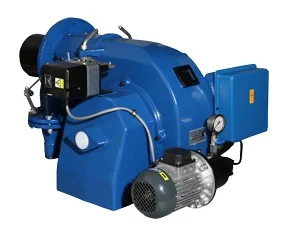 Dual-Fuel Burner 1 to 3
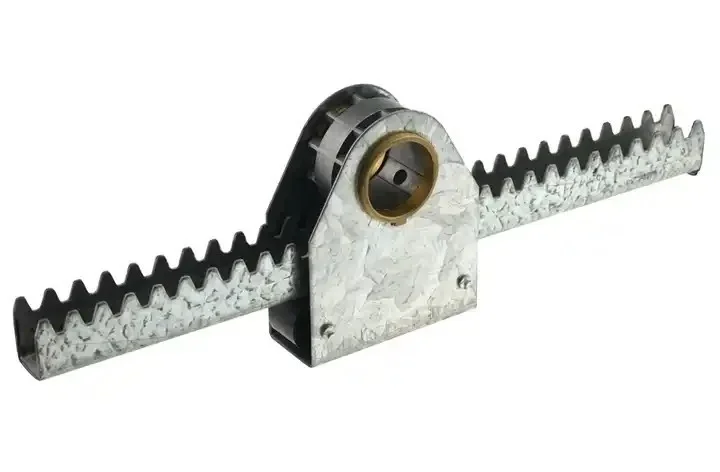 Spanish Brass Rack and Gear with Greenhouse Clamp
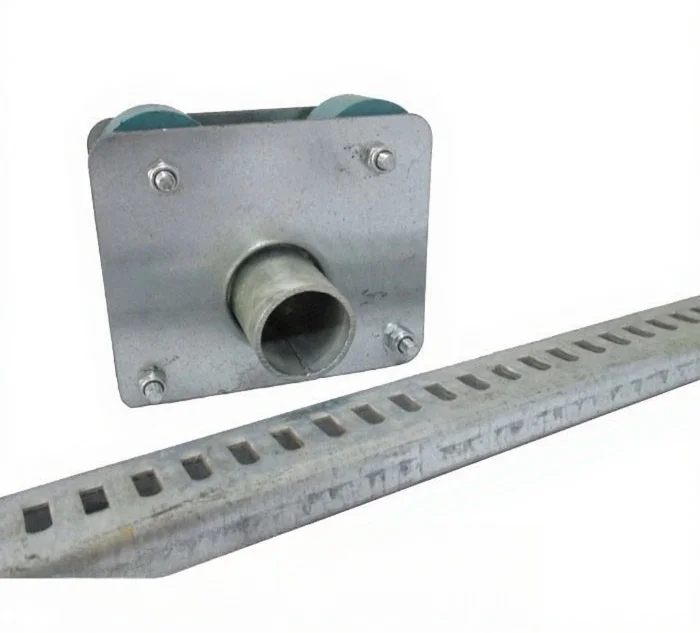 Iranian Galvanized Rack and Gear with Greenhouse Clamp
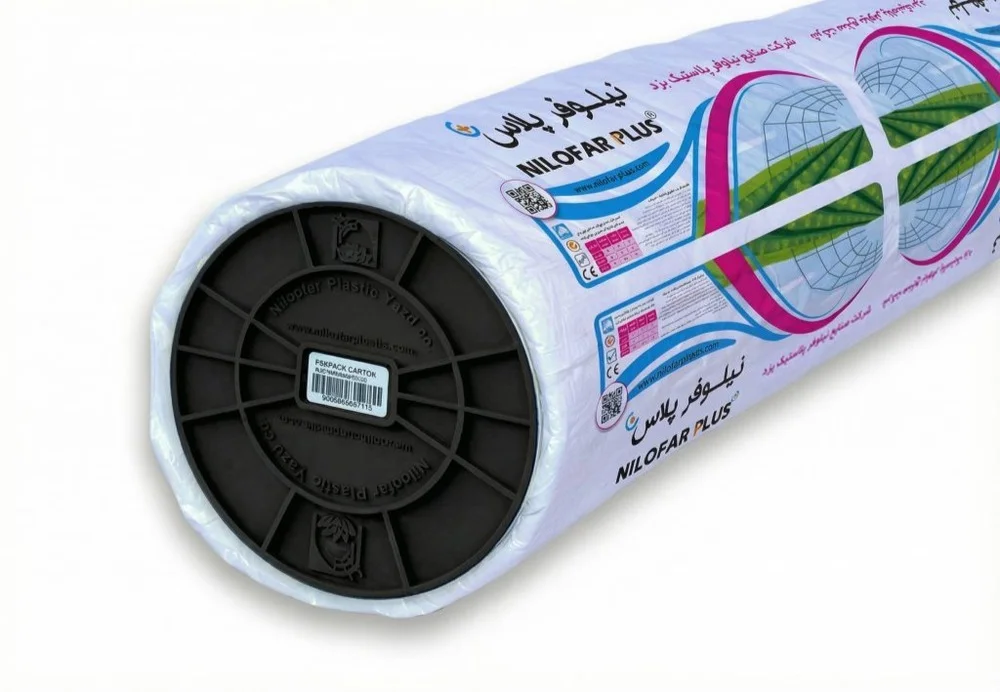 10×50 m Greenhouse Plastic Film with 10% UV
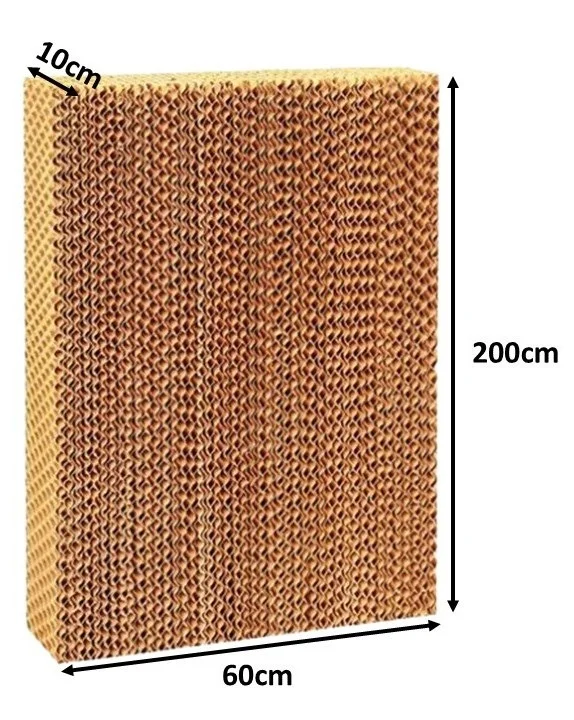 10×60×200 cm Cellulose Cooling Pad Block